Eco-design Eco-design aims, right from the design of a process, a good or a service, at taking into account the entire life cycle by minimizing environmental impacts. New 2022 Packaging: Implement an eco-design approach for packaging – 100% of packaging for our new products will be designed taking into account environmental criteria by 2025 and vaccine packaging will be blister-free by 2027 Integrating circular economy principles into the developments of new products New 2022 Offer at least one collection composed of sustainable materials for each product family By 2030, align greenhouse gas emissions with a +1.5°C scenario and reduce all greenhouse gas emissions by 50% per finished product (which represents -25% in absolute value). New 2022 Recover more than 70% of the waste from the sites operated by TotalEnergies’ subsidiaries by 2030 Set up service offers to recycle construction and demolition waste Implementation of a plastics recycling policy New 2022 Eco-designing the body panels of the future to reduce the carbon footprint by 50% in 2030 compared to 2020 New 2022 By 2025: post-consumer recycled content for glass will reach 50% and 25% for PET and 100% of cardboard will be certified to standards ensuring sustainable forest management Integrate a circular economy approach in the development and supply of our solutions Accelerate the implementation of material reuse in buildings, via the “Reuse Booster” program New 2022 By 2030: initiatives will be launched to support recycling in 10 key markets Increase components lifetime, promote repair and reuse solutions and develop local repair centres Double quantity of recycled plastic in product (pre and post consumer) by 2025 compare to 2017 New 2022 Develop circular offers and associated marketing In 2020, conduct a life cycle assessment (LCA) of fuel systems. Respect biodiversity. L’Oréal is committed to strengthening its efforts to respect biodiversity throughout its value chain, while minimizing the land development required for all its activities. The Group is committed to measuring in a scientifically robust manner and limiting the biodiversity footprint of its industrial activities and those of its suppliers (sourcing, packaging and ingredients). New 2022 Zero destruction of unsold goods by 2022 Page1 Page2 Page3
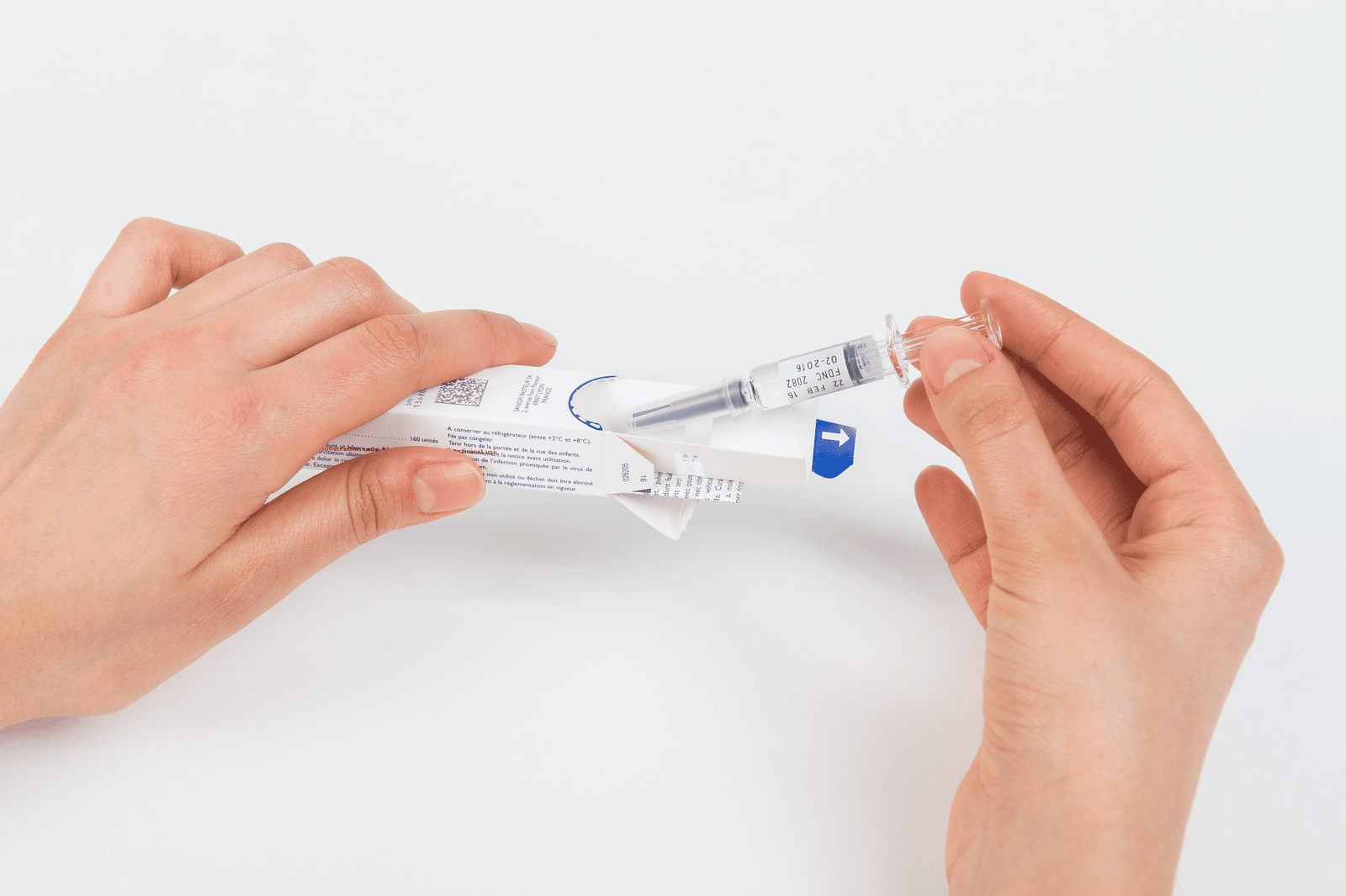
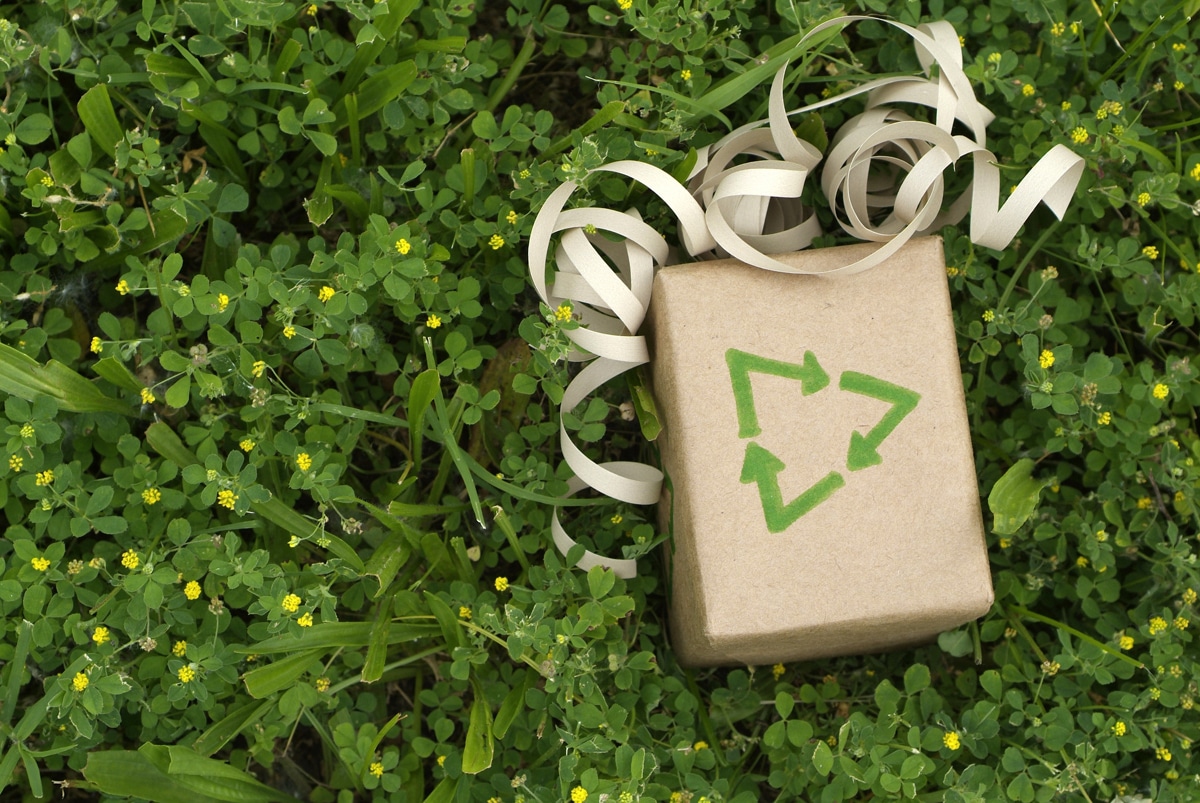
New 2022 Packaging: Implement an eco-design approach for packaging – 100% of packaging for our new products will be designed taking into account environmental criteria by 2025 and vaccine packaging will be blister-free by 2027
By 2030, align greenhouse gas emissions with a +1.5°C scenario and reduce all greenhouse gas emissions by 50% per finished product (which represents -25% in absolute value).
New 2022 Recover more than 70% of the waste from the sites operated by TotalEnergies’ subsidiaries by 2030
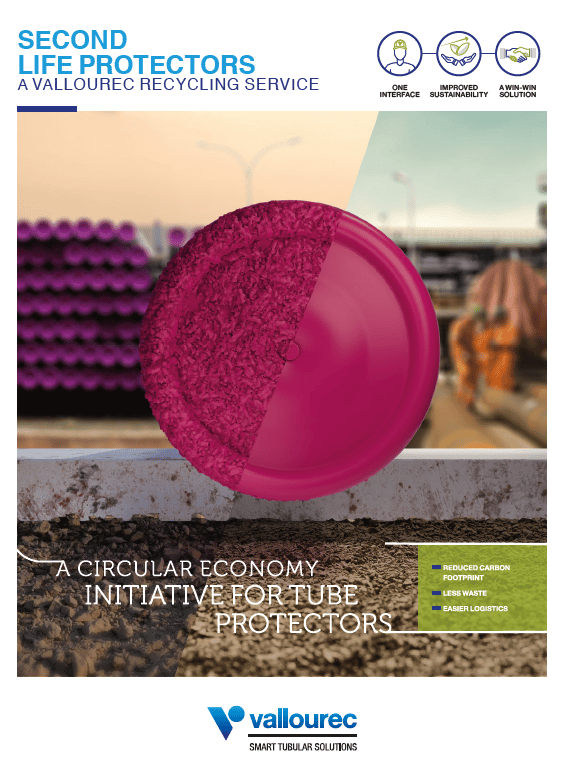
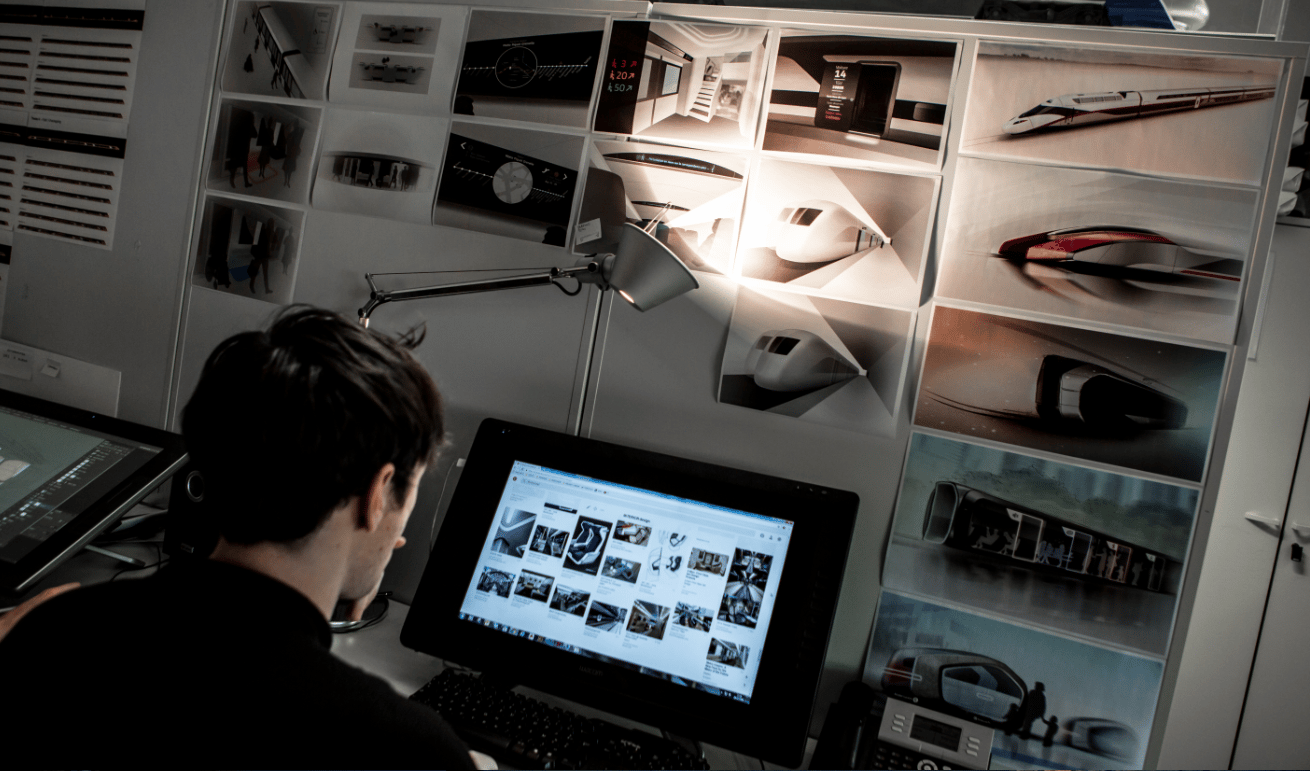
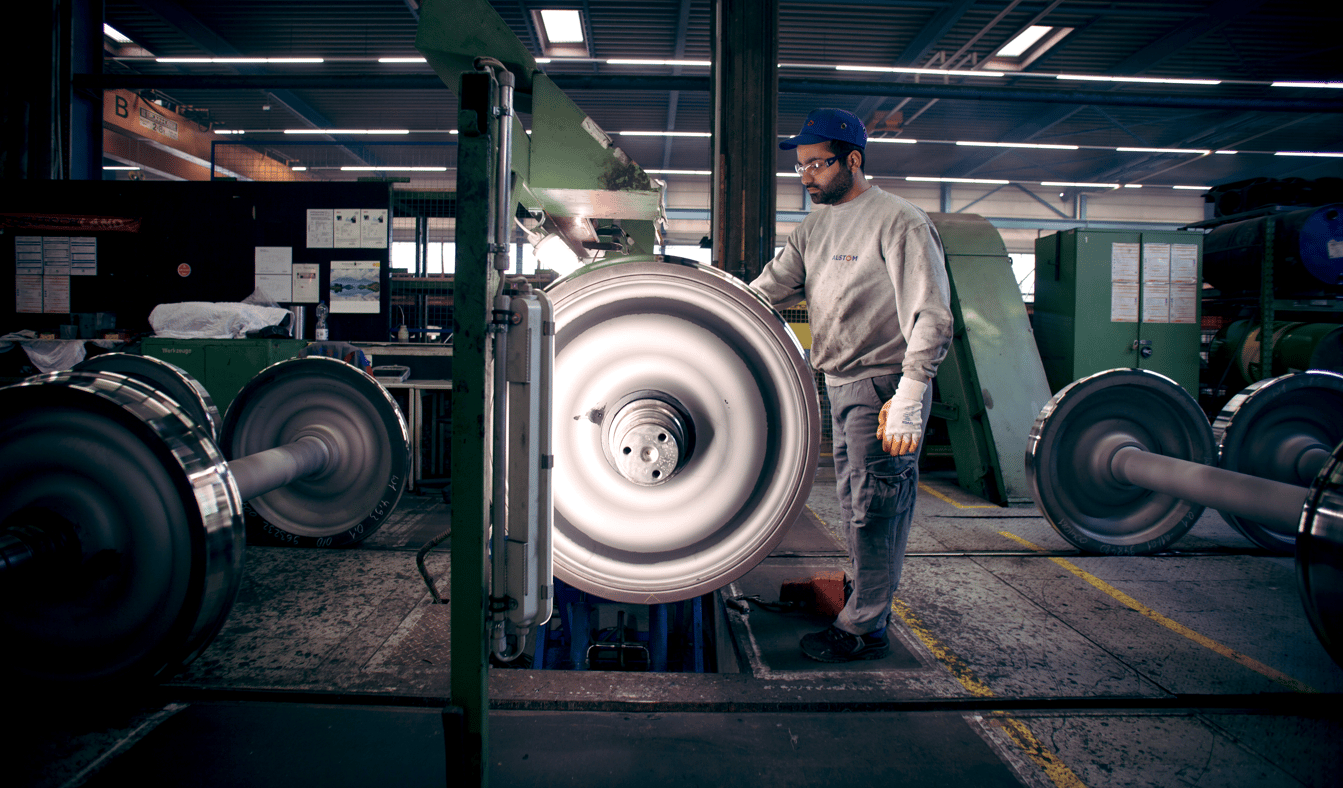
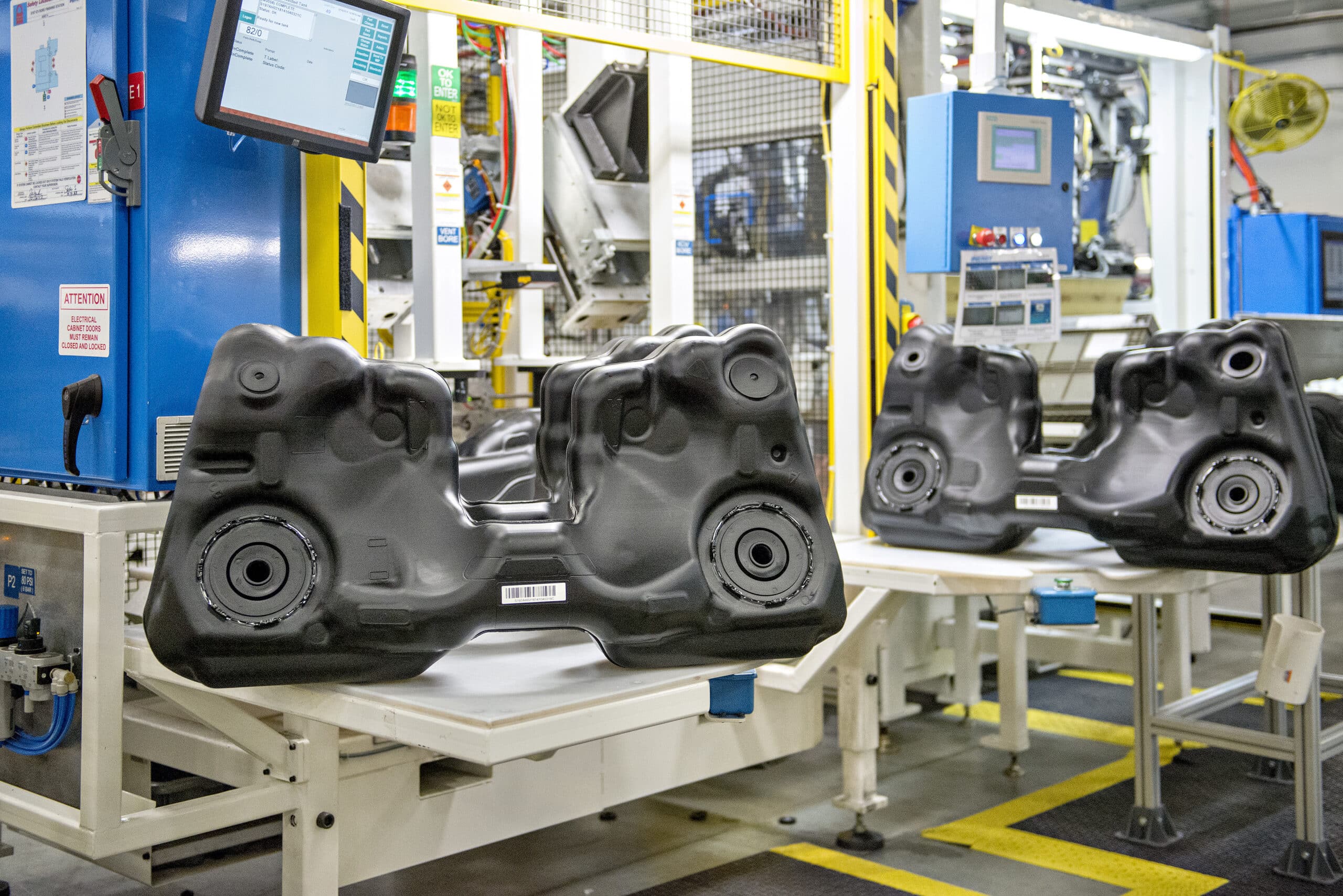
New 2022 Eco-designing the body panels of the future to reduce the carbon footprint by 50% in 2030 compared to 2020
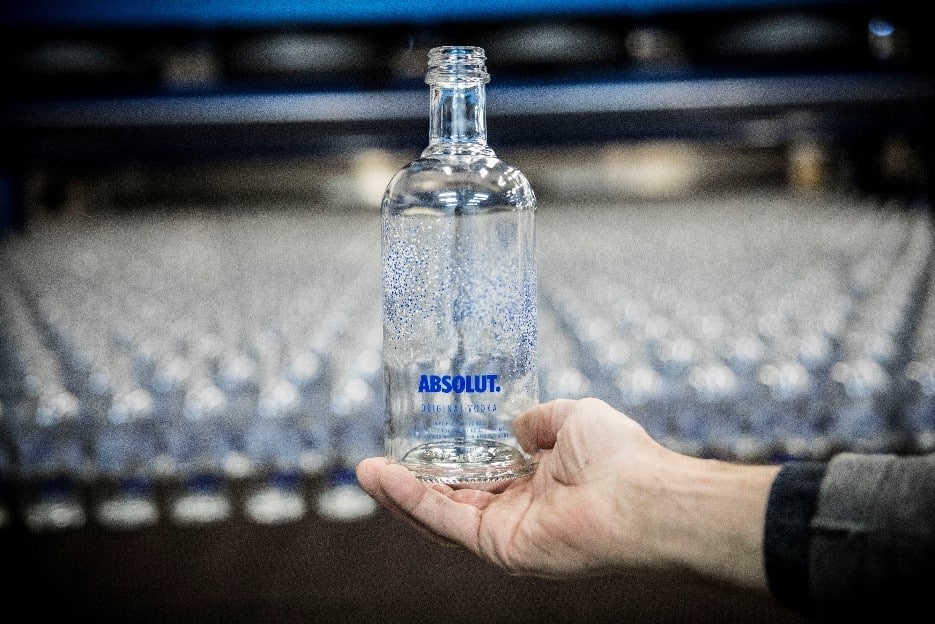
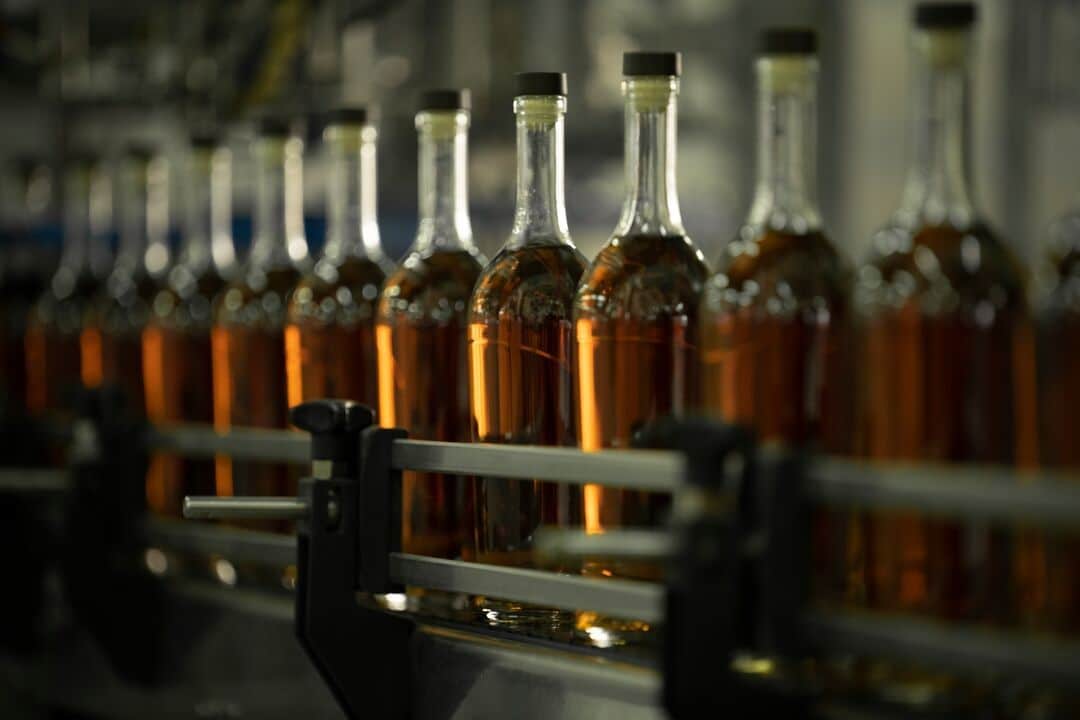
New 2022 By 2025: post-consumer recycled content for glass will reach 50% and 25% for PET and 100% of cardboard will be certified to standards ensuring sustainable forest management
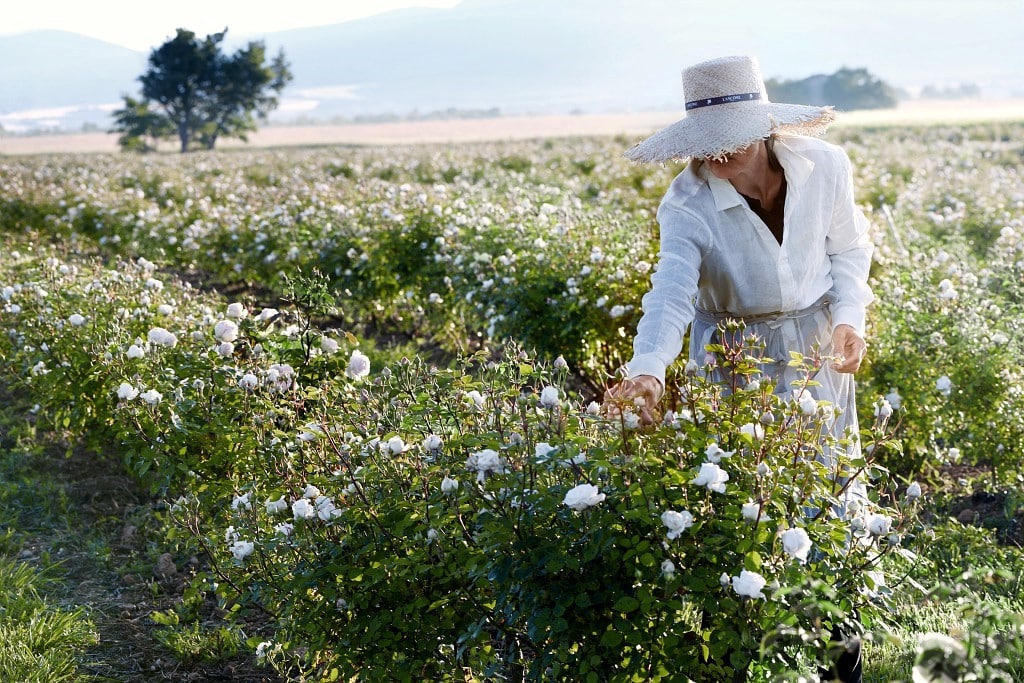
Respect biodiversity. L’Oréal is committed to strengthening its efforts to respect biodiversity throughout its value chain, while minimizing the land development required for all its activities. The Group is committed to measuring in a scientifically robust manner and limiting the biodiversity footprint of its industrial activities and those of its suppliers (sourcing, packaging and ingredients).