Eco-design Eco-design aims, right from the design of a process, a good or a service, at taking into account the entire life cycle by minimizing environmental impacts. Controlling the use of resources, with the dual objective of reduce : water consumption (in relation to sales) and energy consumption (in relation to sales) Carrefour is committed to more environmentally friendly packaging solutions to reinvent packaging and move from disposable to a packaging and move from disposable to a circular economy; Carrefour will support and defend a National Pact for a 100% circular economy for packaging in France Circular economy solutions in 100% of our development projects by 2025 New 2022 Zero single-use plastic for client packaging (B2C) by 2025 and for logistics packaging (BtoB) by 2030 Double quantity of recycled plastic in product (pre and post consumer) by 2025 compare to 2017 New 2022 Improve the energy and environmental efficiency of Valeo’s operations Transition to low-carbon buildings: reducing carbon emissions from construction by 35% between 2015 and 2030 (per m²) thanks to low carbon design and materials New 2022 Recovery of used uniforms from insulating material Inform consumers so that they can act. Set up an innovative system for consumers to display the social and environmental impact of products. Improving the sustainability of OEM Improve the environmental or social profile of 100% of products by 2020 New 2022 Zero destruction of unsold goods by 2022 Develop use of recycled plastic material to reach 2000 tons in 2025 from 1000 tons in 2017 New 2022 Eliminate 100% single-use plastic in flow pack and expanded polystyrene packaging New 2022 The Oïkos Lab valorizes dormant materials and production leftovers New 2022 Creation of the ESSEC Global Circular Economy Chair New 2022 By 2030: initiatives will be launched to support recycling in 10 key markets By 2030, use 100% recyclable plastic packaging within the Saint-Gobain Group, containing a minimum of 30% recycled or bio-sourced content Specific commitment for France made on June 29, 2018: double by 2025 the annual quantity of recycled plastic in France or transformed in France (at constant industrial scope) used in its products compared to 2017 subject to the conditions of success New 2022 80% of products revenues covered by Green Premium™ Respect biodiversity. L’Oréal is committed to strengthening its efforts to respect biodiversity throughout its value chain, while minimizing the land development required for all its activities. The Group is committed to measuring in a scientifically robust manner and limiting the biodiversity footprint of its industrial activities and those of its suppliers (sourcing, packaging and ingredients). New 2022 The Group’s ambitious objective is to manufacture its tires entirely from sustainable materials by 2050, backed by a commitment to incorporating an average of 40% sustainable materials by 2030.This commitment is measured by the Average Sustainable Materials Rate (ASMR) indicator New 2022 100% of raw materials in compliance with Kering Standards by 2025 Use a minimum of 50% recycled materials in new products and packaging by 2023. Create a demonstrator of circular economy practices at the scale of an ecodistrict New 2022 Develop and deploy R&D experiments of reuse and valorisation solutions on work sites Evolution of the types of services offered to include “selective deconstruction” Preserve water resources. Preserve water quality, consumed in responsible quantities, throughout the value chain, and in all the watersheds (drainage basins) and communities where L’Oréal operates. New 2022 100% deforestation and conversion free supply chain globally by 2030 for palm oil, soy, beef and paper products New 2022 100% reusable, recyclable or compostable packaging by 2025 in the United-Kingdom and in Ireland Page1 Page2 Page3
Controlling the use of resources, with the dual objective of reduce : water consumption (in relation to sales) and energy consumption (in relation to sales)
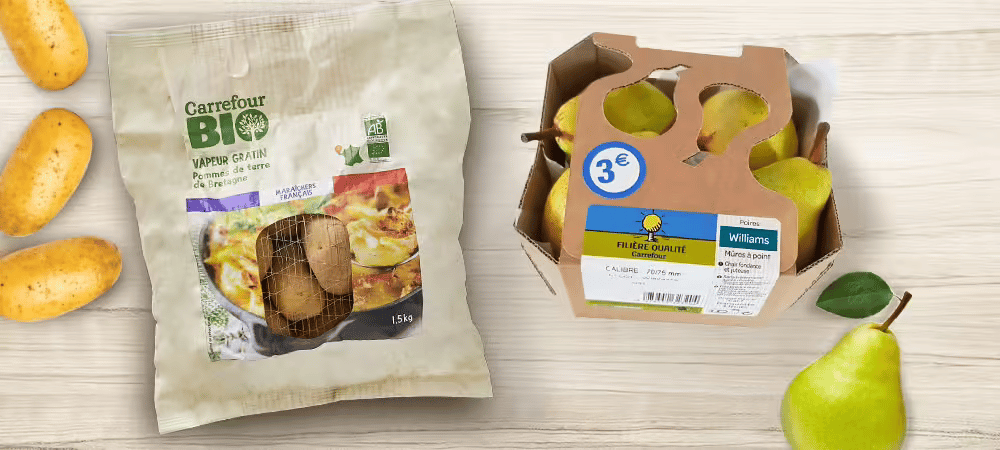
Carrefour is committed to more environmentally friendly packaging solutions to reinvent packaging and move from disposable to a packaging and move from disposable to a circular economy; Carrefour will support and defend a National Pact for a 100% circular economy for packaging in France
New 2022 Zero single-use plastic for client packaging (B2C) by 2025 and for logistics packaging (BtoB) by 2030
Transition to low-carbon buildings: reducing carbon emissions from construction by 35% between 2015 and 2030 (per m²) thanks to low carbon design and materials
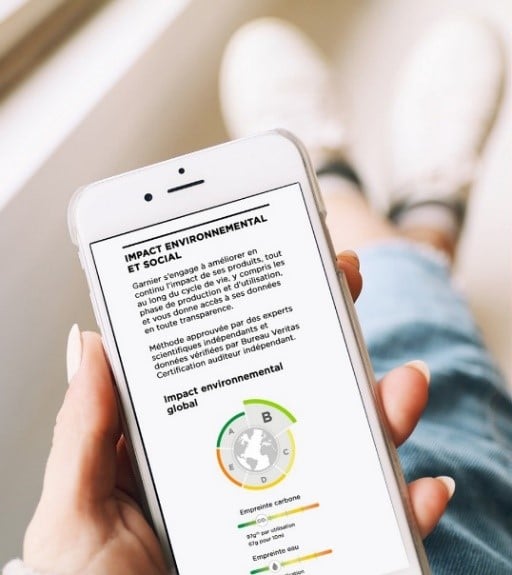
Inform consumers so that they can act. Set up an innovative system for consumers to display the social and environmental impact of products.
By 2030, use 100% recyclable plastic packaging within the Saint-Gobain Group, containing a minimum of 30% recycled or bio-sourced content
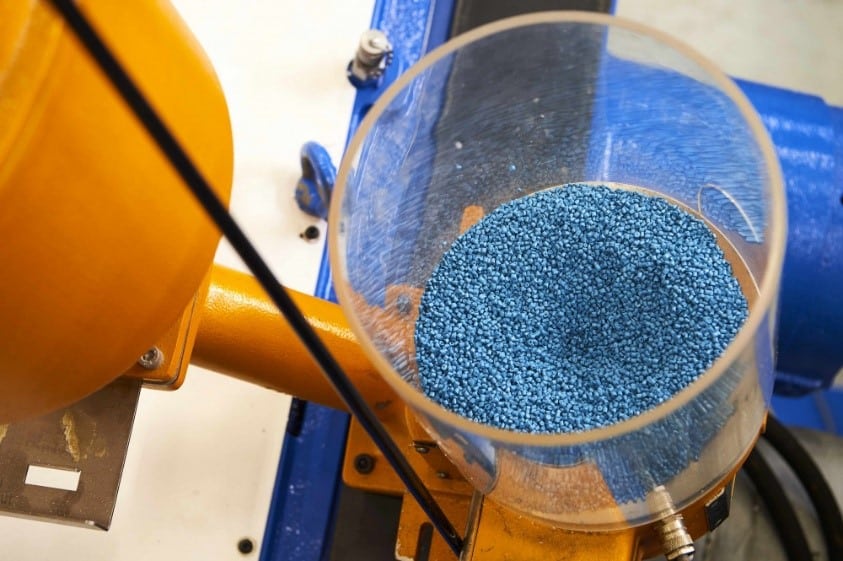
Specific commitment for France made on June 29, 2018: double by 2025 the annual quantity of recycled plastic in France or transformed in France (at constant industrial scope) used in its products compared to 2017 subject to the conditions of success
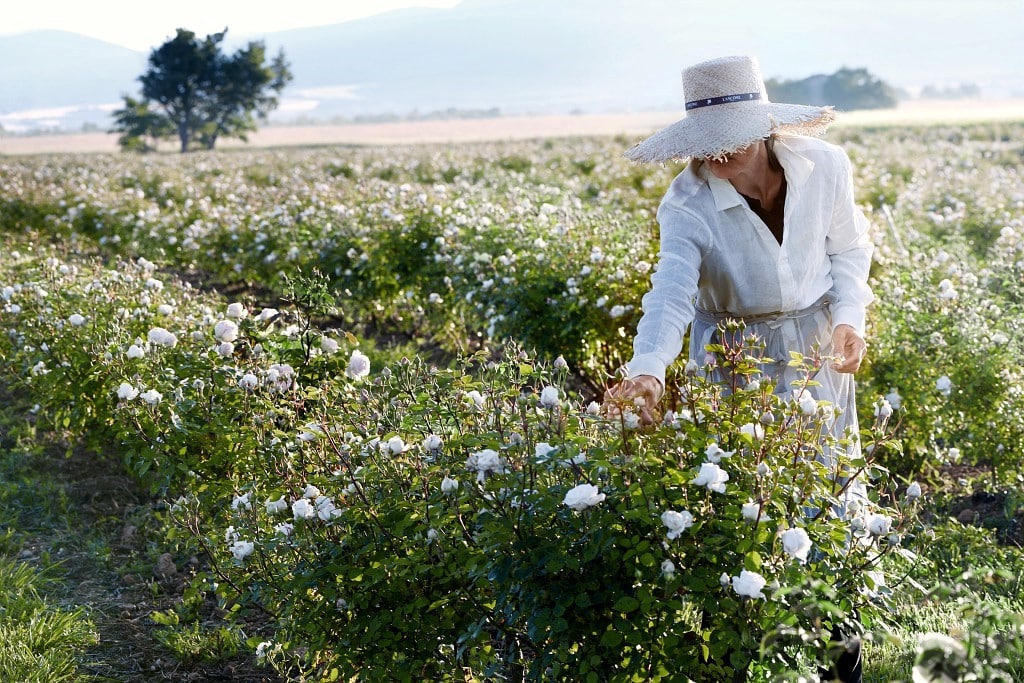
Respect biodiversity. L’Oréal is committed to strengthening its efforts to respect biodiversity throughout its value chain, while minimizing the land development required for all its activities. The Group is committed to measuring in a scientifically robust manner and limiting the biodiversity footprint of its industrial activities and those of its suppliers (sourcing, packaging and ingredients).
New 2022 The Group’s ambitious objective is to manufacture its tires entirely from sustainable materials by 2050, backed by a commitment to incorporating an average of 40% sustainable materials by 2030.This commitment is measured by the Average Sustainable Materials Rate (ASMR) indicator
Preserve water resources. Preserve water quality, consumed in responsible quantities, throughout the value chain, and in all the watersheds (drainage basins) and communities where L’Oréal operates.
New 2022 100% deforestation and conversion free supply chain globally by 2030 for palm oil, soy, beef and paper products
New 2022 100% reusable, recyclable or compostable packaging by 2025 in the United-Kingdom and in Ireland