Eco-design Eco-design aims, right from the design of a process, a good or a service, at taking into account the entire life cycle by minimizing environmental impacts. New 2022 Reduce waste production, with a target of 9% by 2025 (as a proportion of sales) New 2022 Eliminate 100% single-use plastic in flow pack and expanded polystyrene packaging New 2022 Engage in and contribute to international initiatives promoting the circular economy Carrefour is committed to more environmentally friendly packaging solutions to reinvent packaging and move from disposable to a packaging and move from disposable to a circular economy; Carrefour will support and defend a National Pact for a 100% circular economy for packaging in France Reduce the use of non-renewable virgin raw materials within Saint-Gobain businesses, by improving the avoided use of virgin raw materials by 30% in 2030 compared to 2017 New 2022 By 2025: post-consumer recycled content for glass will reach 50% and 25% for PET and 100% of cardboard will be certified to standards ensuring sustainable forest management By 2030, align greenhouse gas emissions with a +1.5°C scenario and reduce all greenhouse gas emissions by 50% per finished product (which represents -25% in absolute value). Specific commitment for France made on June 29, 2018: double by 2025 the annual quantity of recycled plastic in France or transformed in France (at constant industrial scope) used in its products compared to 2017 subject to the conditions of success New 2022 Recovery of used uniforms from insulating material 2013-2020 ambition to launch products in 2020 : offering more performance with less material and avoiding more than 8 million tons of CO2 emissions compared to the supply available in 2010 New 2022 100% of raw materials in compliance with Kering Standards by 2025 New 2022 100% of our primary and secondary packaging is free from single use plastic and uses recycled cardboard Double quantity of recycled plastic in product (pre and post consumer) by 2025 compare to 2017 Respect biodiversity. L’Oréal is committed to strengthening its efforts to respect biodiversity throughout its value chain, while minimizing the land development required for all its activities. The Group is committed to measuring in a scientifically robust manner and limiting the biodiversity footprint of its industrial activities and those of its suppliers (sourcing, packaging and ingredients). New 2022 Zero single-use plastic for client packaging (B2C) by 2025 and for logistics packaging (BtoB) by 2030 New 2022 Produce 1Mt/y of circular polymers by 2030 New 2022 Packaging: Implement an eco-design approach for packaging – 100% of packaging for our new products will be designed taking into account environmental criteria by 2025 and vaccine packaging will be blister-free by 2027 New 2022 Zero microfiber waste by 2030 Create a demonstrator of circular economy practices at the scale of an ecodistrict New 2022 Contribute to the circular economy by recovering more plastic waste. Target 2023: 610 kt of recycled plastics Recover 90% of the company’s used textiles in France by 2020 Integrating circular economy principles into the developments of new products New 2022 Creation of the ESSEC Global Circular Economy Chair Industrialization of the recovery and recycling of aeronautical materials New 2022 Eco-designing the body panels of the future to reduce the carbon footprint by 50% in 2030 compared to 2020 New 2022 Improve the energy and environmental efficiency of Valeo’s operations New 2022 420 000 metric tons of avoided primary resources consumptions through take back at end of use by 2025 since 2017 New 2022 Reach 90% of small domestic appliances repairable for 15 years at fair prices Systematize the ecodesign approach in Capex and R&D procedures Improve the environmental or social profile of 100% of products by 2020 Page1 Page2 Page3
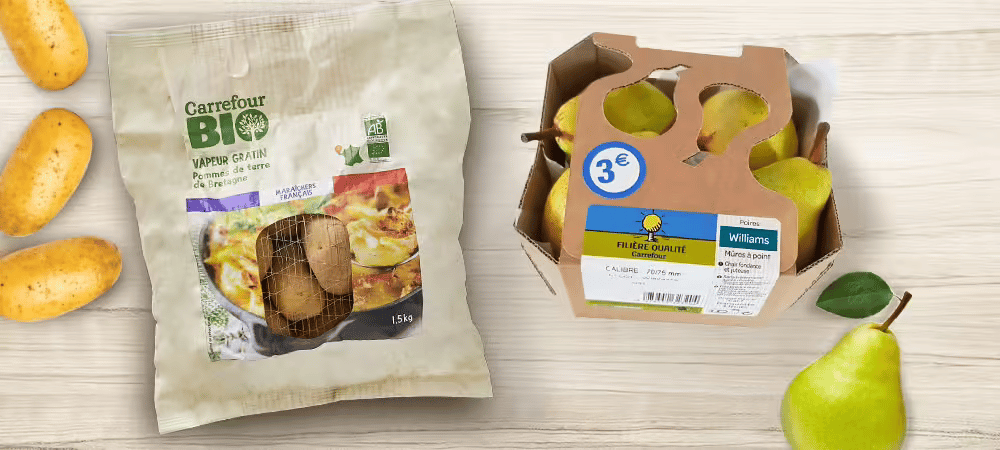
Carrefour is committed to more environmentally friendly packaging solutions to reinvent packaging and move from disposable to a packaging and move from disposable to a circular economy; Carrefour will support and defend a National Pact for a 100% circular economy for packaging in France
Reduce the use of non-renewable virgin raw materials within Saint-Gobain businesses, by improving the avoided use of virgin raw materials by 30% in 2030 compared to 2017
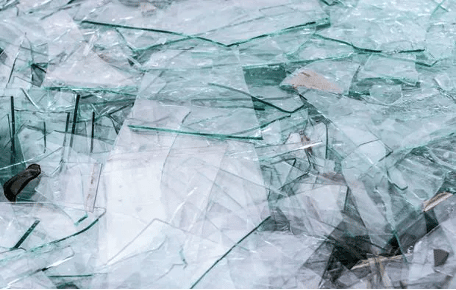
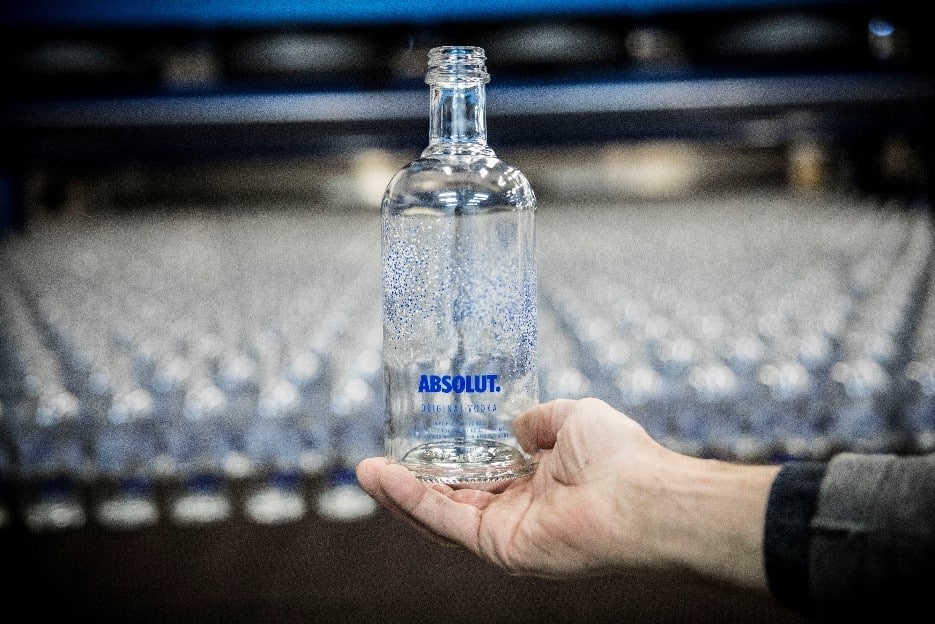
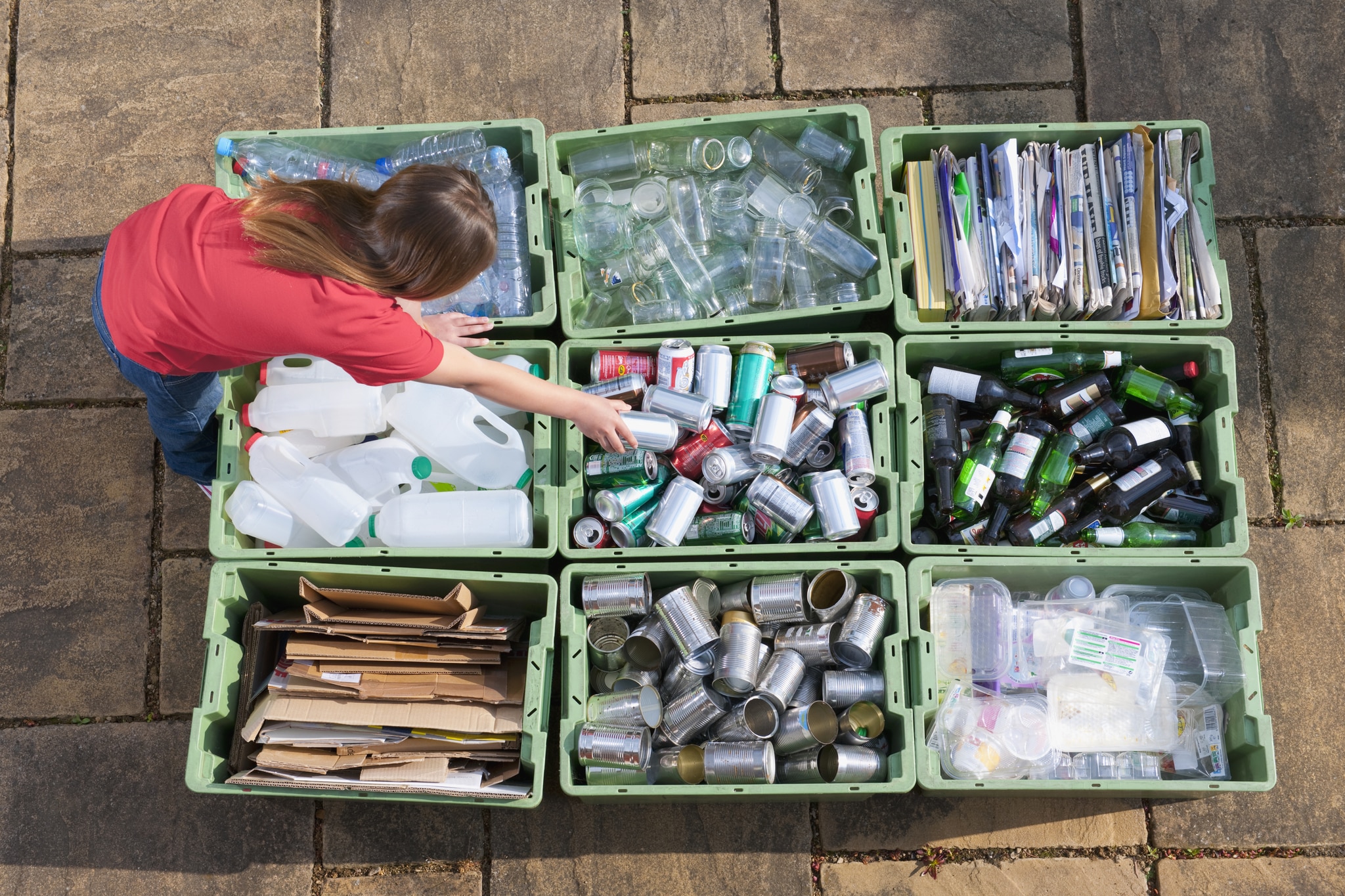
New 2022 By 2025: post-consumer recycled content for glass will reach 50% and 25% for PET and 100% of cardboard will be certified to standards ensuring sustainable forest management
By 2030, align greenhouse gas emissions with a +1.5°C scenario and reduce all greenhouse gas emissions by 50% per finished product (which represents -25% in absolute value).
Specific commitment for France made on June 29, 2018: double by 2025 the annual quantity of recycled plastic in France or transformed in France (at constant industrial scope) used in its products compared to 2017 subject to the conditions of success
2013-2020 ambition to launch products in 2020 : offering more performance with less material and avoiding more than 8 million tons of CO2 emissions compared to the supply available in 2010
New 2022 100% of our primary and secondary packaging is free from single use plastic and uses recycled cardboard
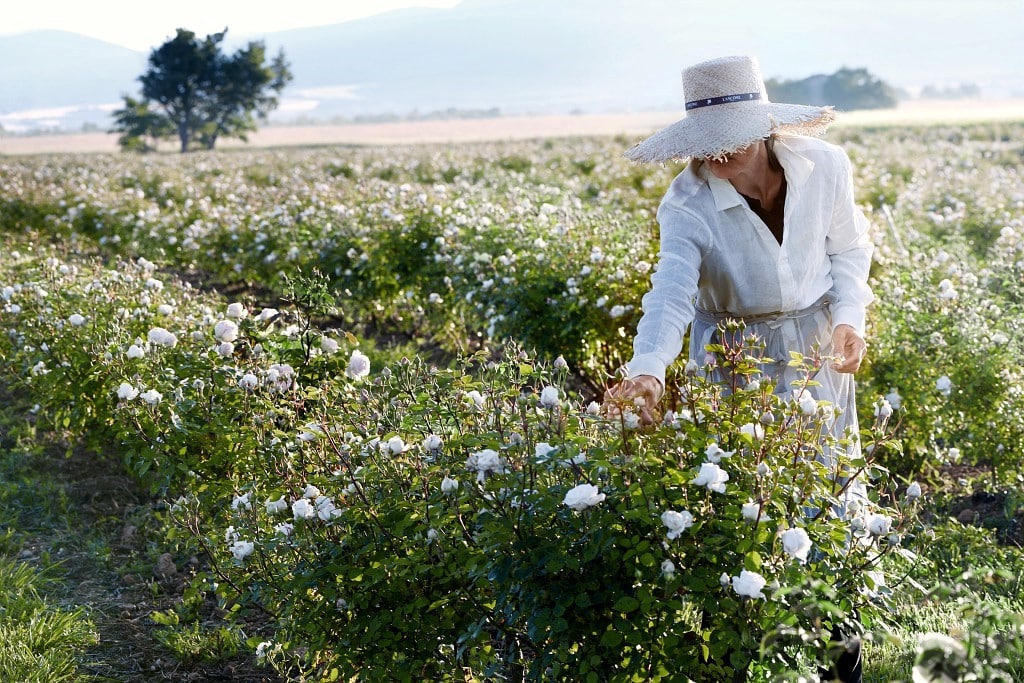
Respect biodiversity. L’Oréal is committed to strengthening its efforts to respect biodiversity throughout its value chain, while minimizing the land development required for all its activities. The Group is committed to measuring in a scientifically robust manner and limiting the biodiversity footprint of its industrial activities and those of its suppliers (sourcing, packaging and ingredients).
New 2022 Zero single-use plastic for client packaging (B2C) by 2025 and for logistics packaging (BtoB) by 2030
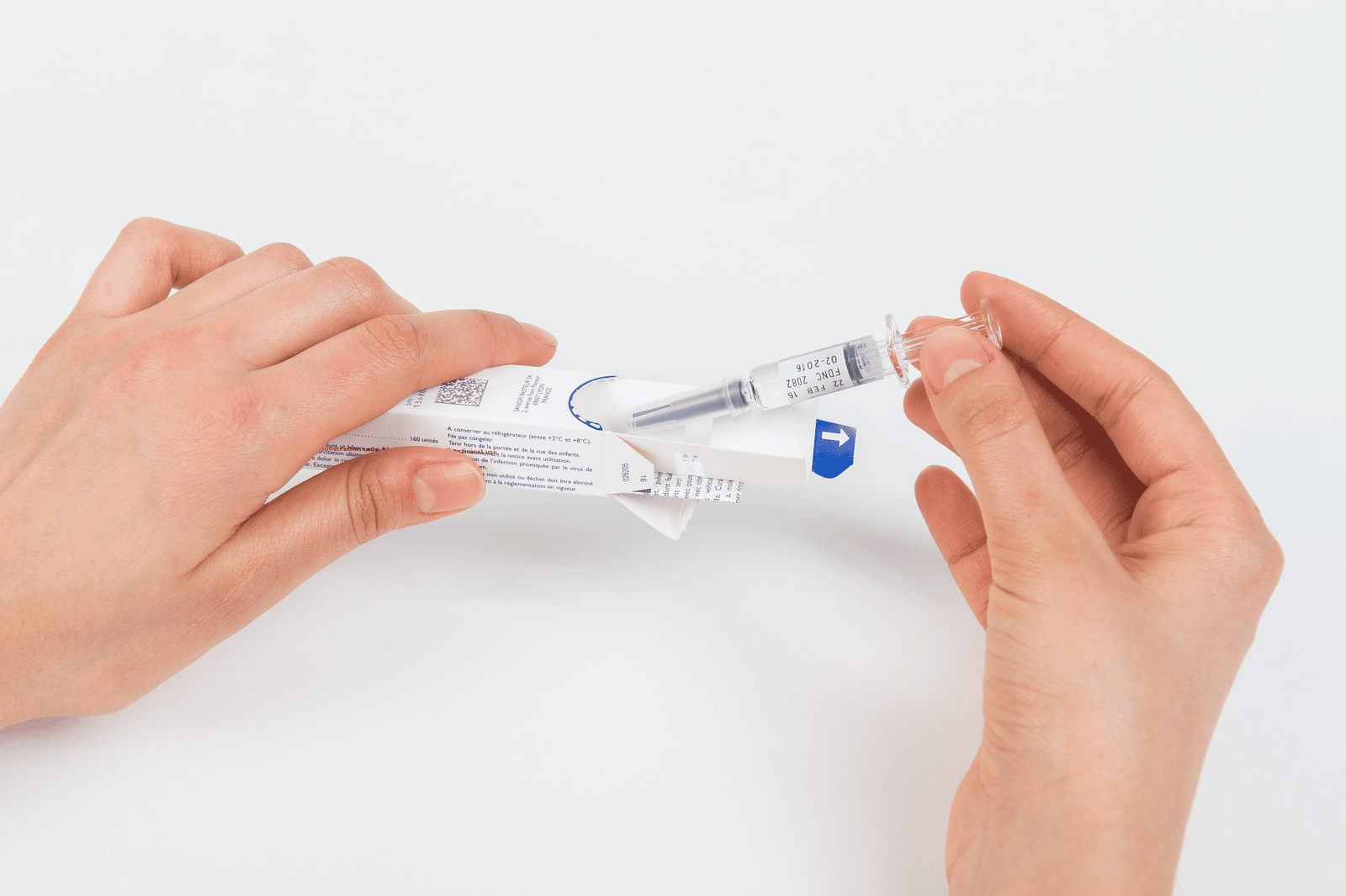
New 2022 Packaging: Implement an eco-design approach for packaging – 100% of packaging for our new products will be designed taking into account environmental criteria by 2025 and vaccine packaging will be blister-free by 2027
New 2022 Contribute to the circular economy by recovering more plastic waste. Target 2023: 610 kt of recycled plastics
New 2022 Eco-designing the body panels of the future to reduce the carbon footprint by 50% in 2030 compared to 2020
New 2022 420 000 metric tons of avoided primary resources consumptions through take back at end of use by 2025 since 2017