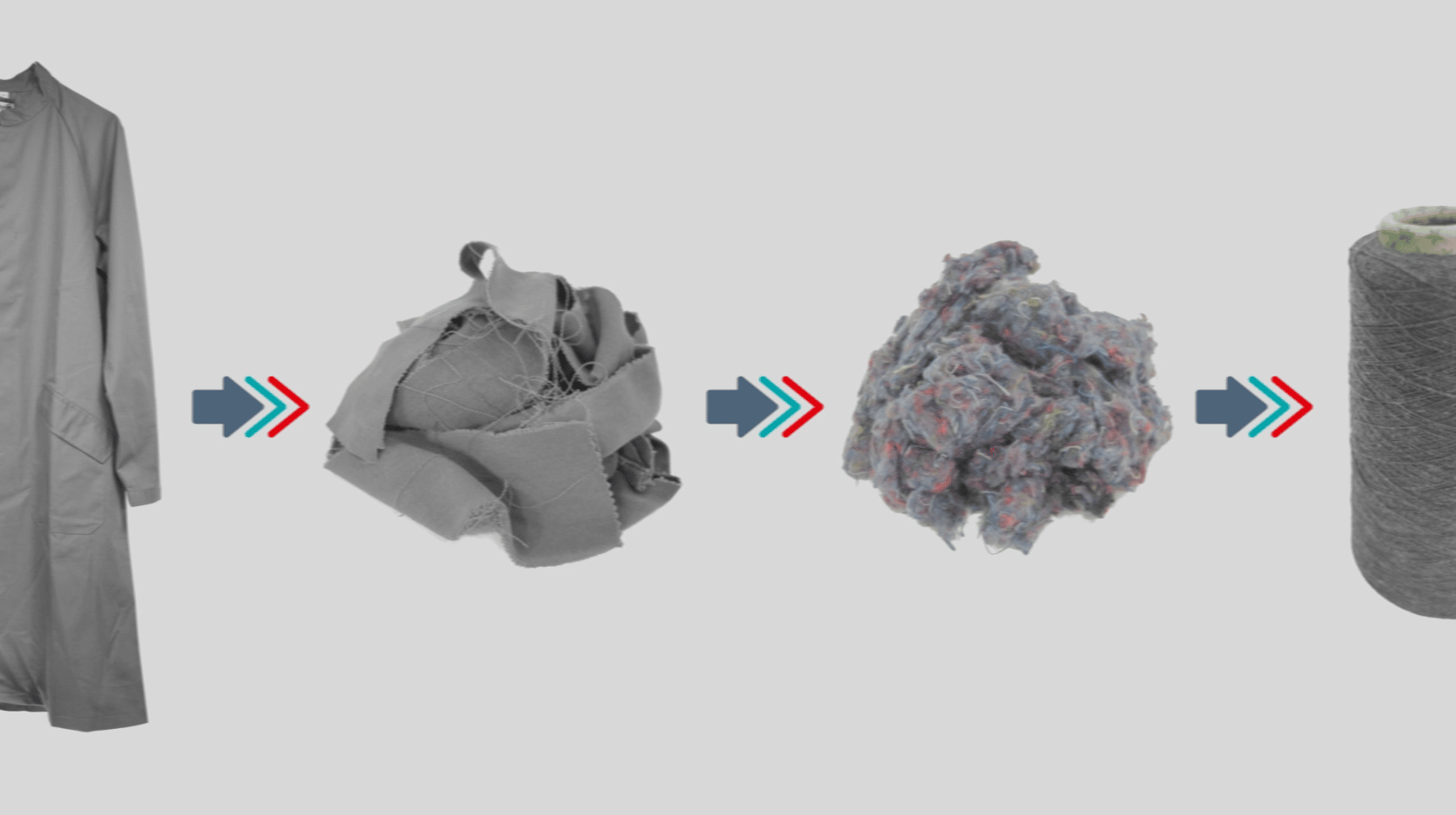
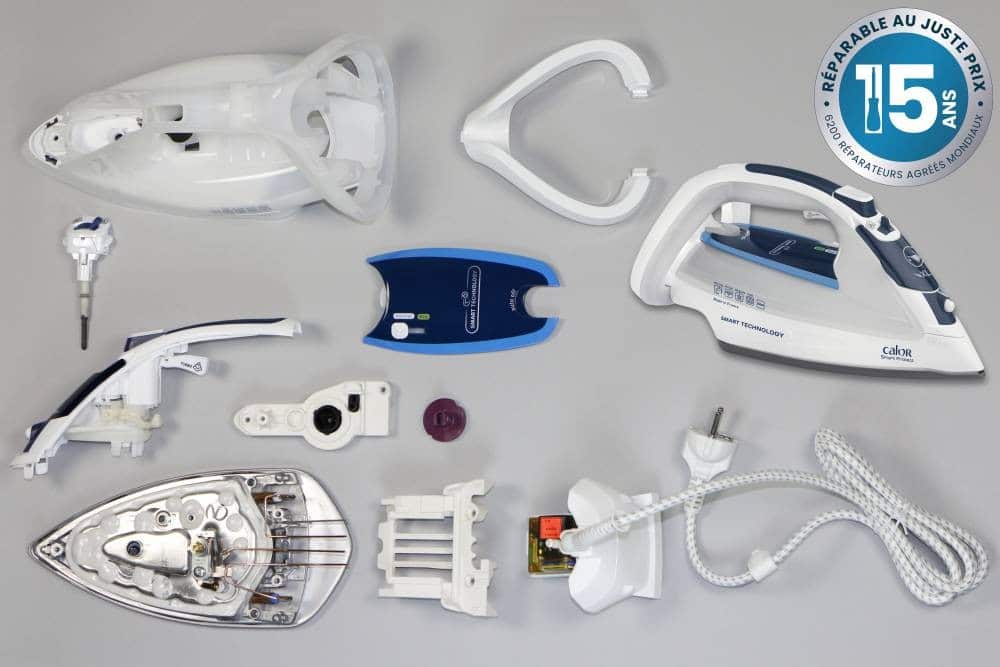
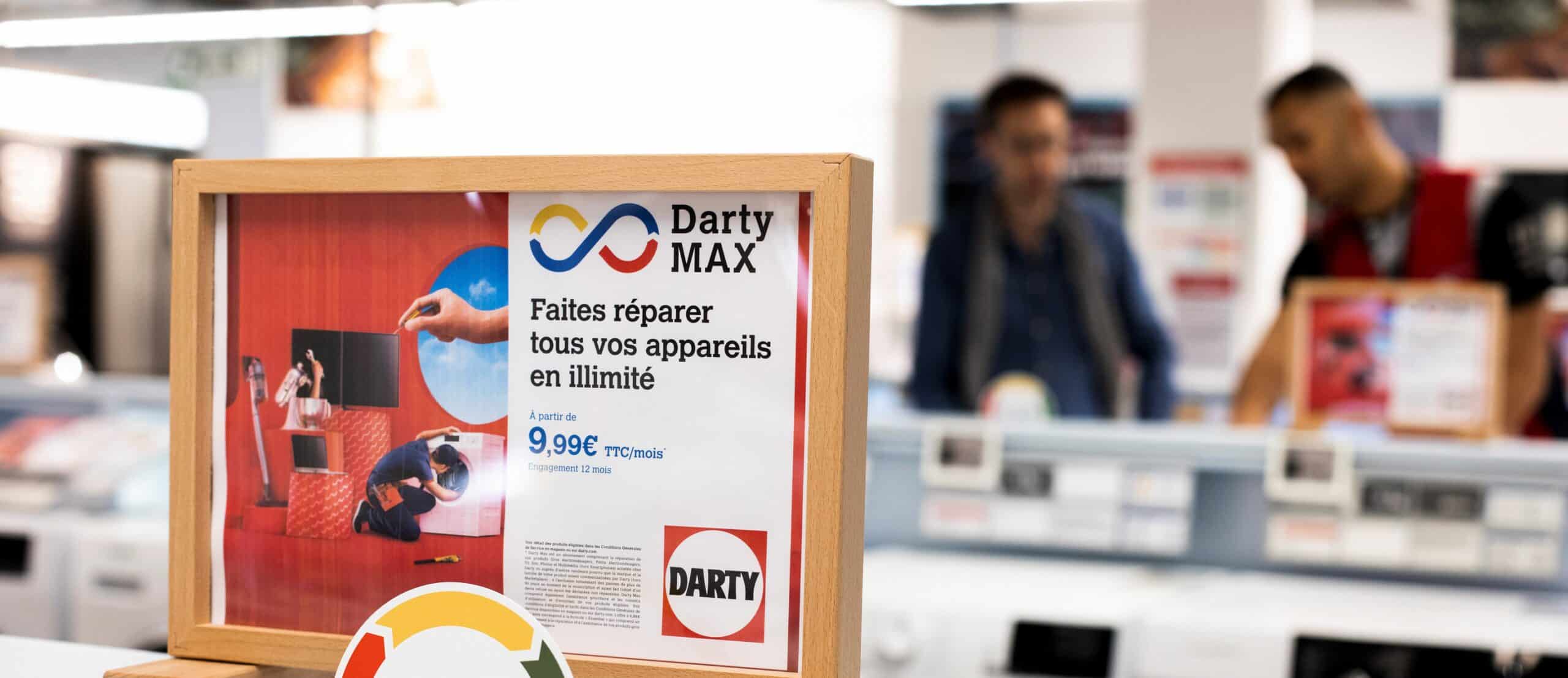
Recycling Recycling aims at using raw materials coming from waste. New 2022 Reuse or recycle 80% of the Group’s end-of-life textiles by 2025 Promotion of circular economy within our innovative commercial offers Increase the technical and economic value of parts and materials preserved in the automotive sector through the circular economy activities of the Group and its Renault New 2022 100% of raw materials in compliance with Kering Standards by 2025 New 2022 100% reusable, recyclable or compostable packaging by 2025 in the United-Kingdom and in Ireland New 2022 Reach 90% of small domestic appliances repairable for 15 years at fair prices New 2022 Creation of the ESSEC Global Circular Economy Chair RépareSeb in Paris, a dedicated circular and solidarity economic hub New 2022 Reduce waste production, with a target of 9% by 2025 (as a proportion of sales) New 2022 Develop and deploy R&D experiments of reuse and valorisation solutions on work sites Transition to low-carbon buildings: reducing carbon emissions from construction by 35% between 2015 and 2030 (per m²) thanks to low carbon design and materials Accelerate the implementation of material reuse in buildings, via the “Reuse Booster” program New 2022 Inform customers to enable them to make an educated choice New 2022 Develop our glass reuse and return capacity New 2022 Zero single-use plastic for client packaging (B2C) by 2025 and for logistics packaging (BtoB) by 2030 New 2022 By 2030: the Group will pilot five R&D projects on circular distribution of Wine and Spirits Increase components lifetime, promote repair and reuse solutions and develop local repair centres Circular economy solutions in 100% of our development projects by 2025 Develop partnerships, distribution, valorisation of food surplus Extend the life of products by promoting repair and self-repair Deployment of a detailed life cycle assessment (LCA) tool Industrialization of the recovery and recycling of aeronautical materials Integrate a circular economy approach in the development and supply of our solutions Increase the turnover achieved with the sustainable products and solutions offered by Solvay by relying extensively on the levers of the circular economy in the downstream value chains. The objective is to increase turnover in the sustainable solutions sought by the markets from 50% in 2018 to 65% in 2030 Recover 90% of the company’s used textiles in France by 2020 Strengthen waste recycling programmes while developing local businesses, ensure the recycling of critical materials Reduce the Group’s carbon footprint by acting on the energy performance of its current and future buildings. Carrefour is committed to more environmentally friendly packaging solutions to reinvent packaging and move from disposable to a packaging and move from disposable to a circular economy; Carrefour will support and defend a National Pact for a 100% circular economy for packaging in France Systematize the ecodesign approach in Capex and R&D procedures Reduce water consumption per kg of linen delivered by Elis’ European laundries by 50% between 2010 and 2025 Page1 Page2
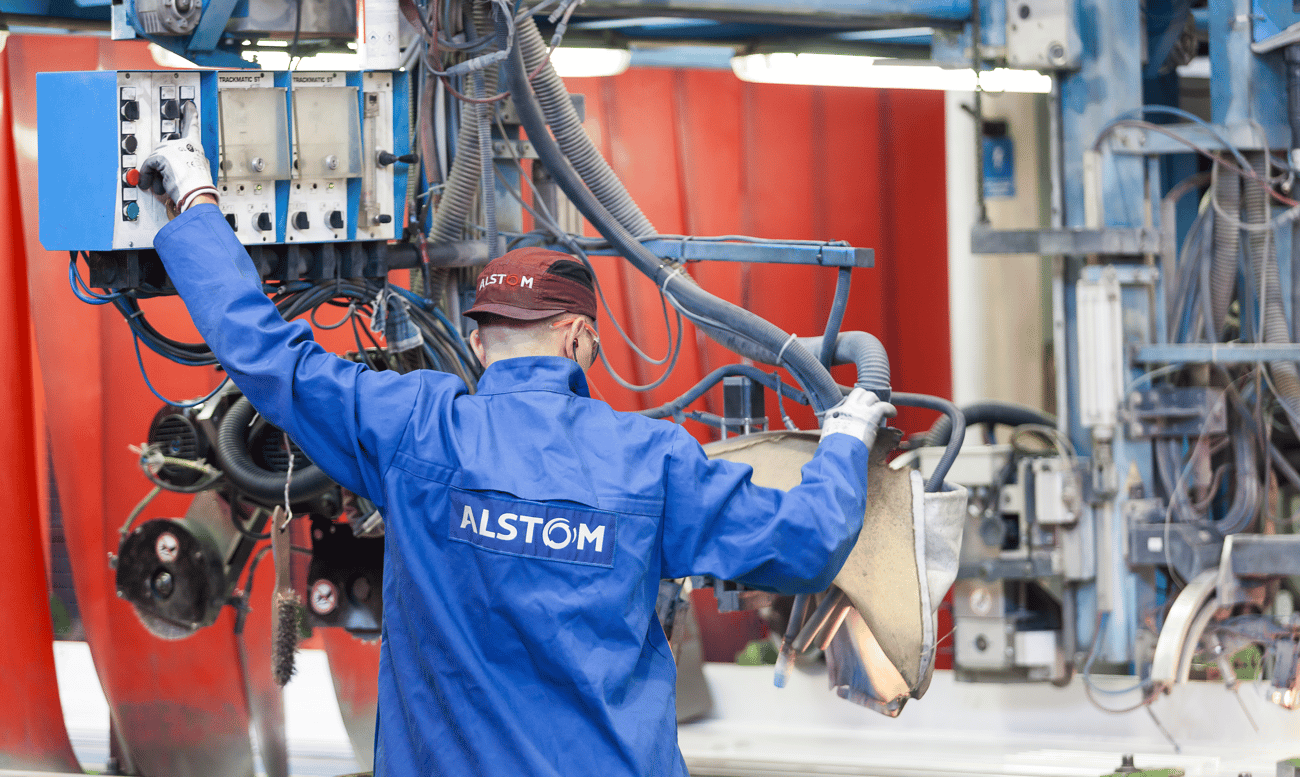
Increase the technical and economic value of parts and materials preserved in the automotive sector through the circular economy activities of the Group and its Renault
New 2022 100% reusable, recyclable or compostable packaging by 2025 in the United-Kingdom and in Ireland
Transition to low-carbon buildings: reducing carbon emissions from construction by 35% between 2015 and 2030 (per m²) thanks to low carbon design and materials
New 2022 Zero single-use plastic for client packaging (B2C) by 2025 and for logistics packaging (BtoB) by 2030
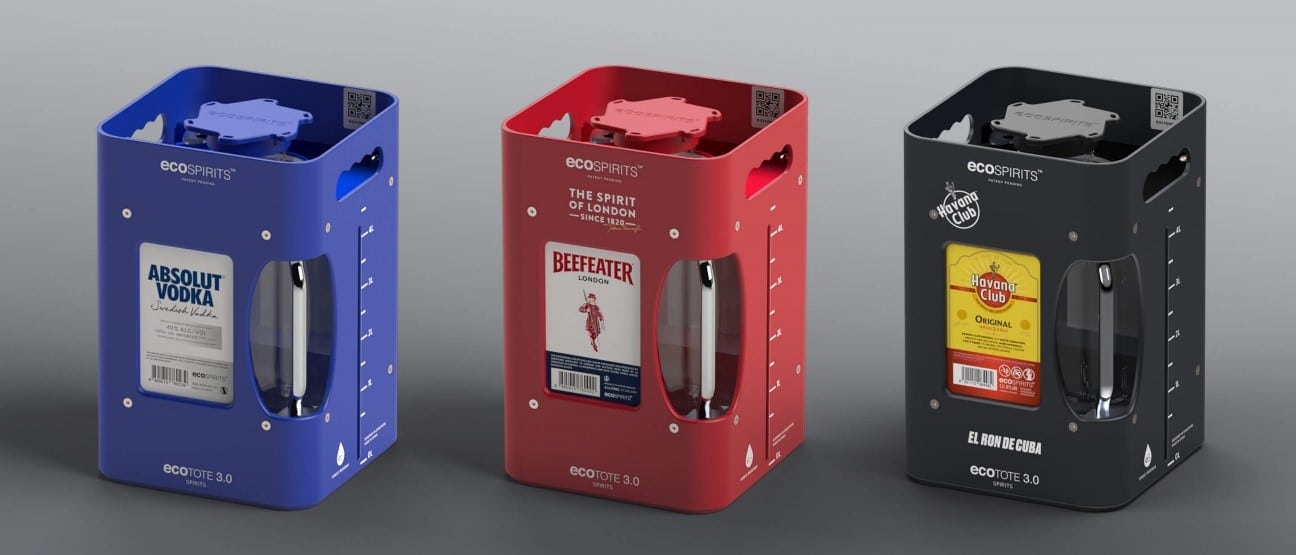
New 2022 By 2030: the Group will pilot five R&D projects on circular distribution of Wine and Spirits
Increase the turnover achieved with the sustainable products and solutions offered by Solvay by relying extensively on the levers of the circular economy in the downstream value chains. The objective is to increase turnover in the sustainable solutions sought by the markets from 50% in 2018 to 65% in 2030
Strengthen waste recycling programmes while developing local businesses, ensure the recycling of critical materials
Reduce the Group’s carbon footprint by acting on the energy performance of its current and future buildings.
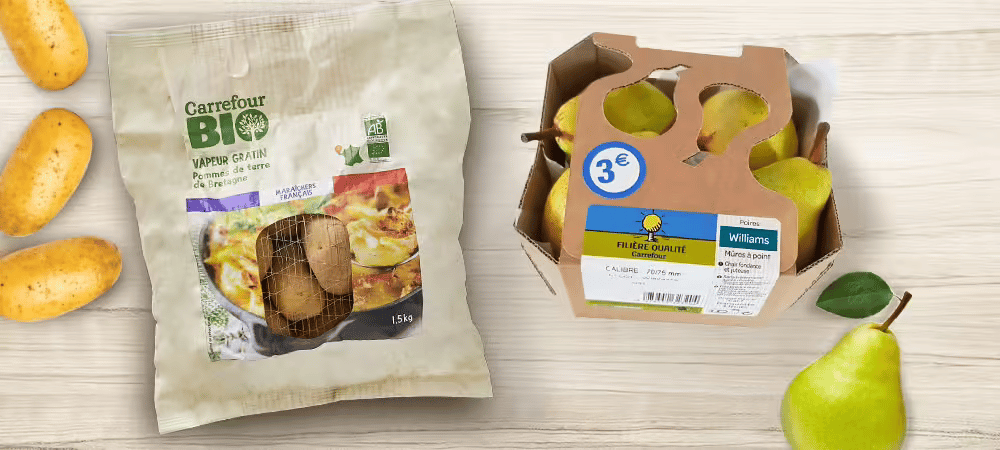
Carrefour is committed to more environmentally friendly packaging solutions to reinvent packaging and move from disposable to a packaging and move from disposable to a circular economy; Carrefour will support and defend a National Pact for a 100% circular economy for packaging in France
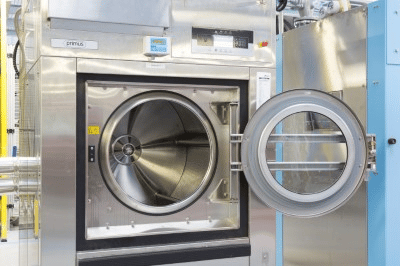
Reduce water consumption per kg of linen delivered by Elis’ European laundries by 50% between 2010 and 2025