Commitments Filter by : All the commitments New commitments 2022 Levers Entreprises Share information on the environmental and social impact of products with consumers in a transparent manner New 2022 The Group’s ambitious objective is to manufacture its tires entirely from sustainable materials by 2050, backed by a commitment to incorporating an average of 40% sustainable materials by 2030.This commitment is measured by the Average Sustainable Materials Rate (ASMR) indicator BNP Paribas is committed to reducing waste and to ensuring its recycling wherever possible. BNP Paribas is committed to making progress each year on the weight of recycled waste per employee, mostly paper, and on the quality of this data. Deployment of a detailed life cycle assessment (LCA) tool Use a minimum of 50% recycled materials in new products and packaging by 2023. New 2022 Replace 35% of the plastic content of an light brackets component with recycled plastic. Audi / HBPO partnership New 2022 ENGIE Solutions is committed to recycling more than one ton of used work clothes each year New 2022 Packaging: Implement an eco-design approach for packaging – 100% of packaging for our new products will be designed taking into account environmental criteria by 2025 and vaccine packaging will be blister-free by 2027 New 2022 Produce 1.5Mt/y of SAF by 2030 New 2022 Promote Circular Economy to our ecosystem/stakeholders Reduce non-recoverable industrial waste by 30% in 2030 (baseline 2018) New 2022 Increase the ambition of renewable gas production in Europe to reach 10 TWh/year in 2030 Develop partnerships, distribution, valorisation of food surplus Accelerate the implementation of material reuse in buildings, via the “Reuse Booster” program 2 Mt of low-grade* incidental ores and tailings quantities of additional materials recovered through the circular economy action plan over the 2019-2023 period New 2022 Limit waste production and optimize waste management RépareSeb in Paris, a dedicated circular and solidarity economic hub Reduce the quantity of waste from the sites by promoting the reuse and recycling while aiming for the “sites without disposal” objective in 2025 – particular focus on the plastics. New 2022 Recruit and train 1,000 after-sales service technicians to support the Group’s sustainability strategy 2013-2020 ambition to launch products in 2020 : offering more performance with less material and avoiding more than 8 million tons of CO2 emissions compared to the supply available in 2010 New 2022 Increase the content of recycled material in automotive plastic body parts. EPICEA project : Improve the ratio of recycled plastic for the car bodies New 2022 Waste management – Reuse, Recycle, Recover: transform waste into resources – More than 90% of waste will be either reused, recycled or recovered and 100% of our sites will no longer use landfill New 2022 Achieve a 15% recycled plastics use rate and 40% recycled metals use rate in the products manufactured by the Group Improving the sustainability of OEM New 2022 100% reusable, recyclable or compostable packaging by 2025 in the United-Kingdom and in Ireland New 2022 Reduce and recover the amount of hazardous and non-hazardous waste evacuated by the Group’s industrial sites worldwide Enlarge Green Premium label to services and solutions Implementation of a plastics recycling policy Test deposit systems to reduce single use packaging Systematize the ecodesign approach in Capex and R&D procedures BNP Paribas is committed to developing financial solutions to support the economy of functionality New 2022 Develop and deploy R&D experiments of reuse and valorisation solutions on work sites Operation of a shared, compact, and multiservice platform which includes inert waste sorting servicing various work sites and opened to other construction professionals New 2022 Produce 1Mt/y of circular polymers by 2030 Develop use of recycled plastic material to reach 2000 tons in 2025 from 1000 tons in 2017 New 2022 Zero single-use plastic for client packaging (B2C) by 2025 and for logistics packaging (BtoB) by 2030 Reduce absolute CO2 emissions by 60% by 2020 and increase the use of renewable energies New 2022 Increase green material content in our products to 50% by 2025 Increase the Group’s overall consumption of recycled plastic (by weight) by 50% New 2022 Develop eco-design for responsible products Page1 Page2 Page3 Page4 New 2022 The Group’s ambitious objective is to manufacture its tires entirely from sustainable materials by 2050, backed by a commitment to incorporating an average of 40% sustainable materials by 2030.This commitment is measured by the Average Sustainable Materials Rate (ASMR) indicator New 2022 By 2030: the Group will pilot five R&D projects on circular distribution of Wine and Spirits New 2022 Produce 1.5Mt/y of SAF by 2030 New 2022 Improve the circularity of carbon fiber New 2022 Develop eco-design for responsible products New 2022 Zero single-use plastic for client packaging (B2C) by 2025 and for logistics packaging (BtoB) by 2030 New 2022 Eco-design: Implement an eco-design approach taking into account all stages of the product life cycle – all new products on the market will be eco-designed by 2025, an approach that will be extended to our top selling products already on the market by 2030. New 2022 Limit waste production and optimize waste management New 2022 Increase green material content in our products to 50% by 2025 New 2022 Inform customers to enable them to make an educated choice New 2022 Improve the energy and environmental efficiency of Valeo’s operations New 2022 Recover more than 70% of the waste from the sites operated by TotalEnergies’ subsidiaries by 2030 New 2022 The Oïkos Lab valorizes dormant materials and production leftovers New 2022 Bann single-use plastics from the workplace by 2025, and sooner if possible in some regions. New 2022 100% deforestation and conversion free supply chain globally by 2030 for palm oil, soy, beef and paper products New 2022 Engage in and contribute to international initiatives promoting the circular economy New 2022 Reuse or recycle 80% of the Group’s end-of-life textiles by 2025 New 2022 Develop our glass reuse and return capacity New 2022 Produce 1Mt/y of circular polymers by 2030 New 2022 Develop and deploy R&D experiments of reuse and valorisation solutions on work sites New 2022 Packaging: Implement an eco-design approach for packaging – 100% of packaging for our new products will be designed taking into account environmental criteria by 2025 and vaccine packaging will be blister-free by 2027 New 2022 Combat pollution and accelerate the ecological transition by increasing the turnover linked to the circular economy. Target 2023: €6.3 billion New 2022 Reduce the ecological footprint on the whole value chain New 2022 By 2030: initiatives will be launched to support recycling in 10 key markets New 2022 Waste management – Reuse, Recycle, Recover: transform waste into resources – More than 90% of waste will be either reused, recycled or recovered and 100% of our sites will no longer use landfill New 2022 Organizing a polymer recycling value chain. Virtucycle Program New 2022 Produce 2TWh of biogas by 2025, mainly from waste, targeting 20TWh by 2030 New 2022 Reach 90% of small domestic appliances repairable for 15 years at fair prices New 2022 Maximize the use of recycled glass (external cullet) in our products New 2022 Develop circular offers and associated marketing New 2022 Reduce food waste by 50 % on 85 % of our sites by 2025 New 2022 Optimize water use New 2022 Incorporate a 33% share of recycled materials (by mass) in new vehicles New 2022 By 2025: 100% of packaging and 100% of point of sale material spend will be reusable, recyclable or compostable New 2022 Offer at least one collection composed of sustainable materials for each product family New 2022 Eliminate 100% single-use plastic in flow pack and expanded polystyrene packaging New 2022 Reduce waste production, with a target of 9% by 2025 (as a proportion of sales) New 2022 100% of raw materials in compliance with Kering Standards by 2025 New 2022 100% of our primary and secondary packaging is free from single use plastic and uses recycled cardboard New 2022 Contribute to the circular economy by recovering more plastic waste. Target 2023: 610 kt of recycled plastics New 2022 Creation of the ESSEC Global Circular Economy Chair New 2022 100% reusable, recyclable or compostable packaging by 2025 in the United-Kingdom and in Ireland New 2022 Assess the use of non-fossil raw materials in the fuel tanks production New 2022 Replace 35% of the plastic content of an light brackets component with recycled plastic. Audi / HBPO partnership New 2022 Recovery of used uniforms from insulating material New 2022 Achieve a 15% recycled plastics use rate and 40% recycled metals use rate in the products manufactured by the Group New 2022 Zero destruction of unsold goods by 2022 New 2022 95% of procurement spends from direct suppliers to have undergone a CSR assessment within the previous three years New 2022 By 2025: post-consumer recycled content for glass will reach 50% and 25% for PET and 100% of cardboard will be certified to standards ensuring sustainable forest management New 2022 Eco-designing the body panels of the future to reduce the carbon footprint by 50% in 2030 compared to 2020 New 2022 Recruit and train 1,000 after-sales service technicians to support the Group’s sustainability strategy New 2022 25 % recycled content in newly developed rolling stock by 2025 New 2022 Promote Circular Economy to our ecosystem/stakeholders New 2022 Zero microfiber waste by 2030 New 2022 Increase the content of recycled material in automotive plastic body parts. EPICEA project : Improve the ratio of recycled plastic for the car bodies New 2022 Assess the opportunities and feasibility of using sustainable materials (recycled and bio-sourced) in the automotive sector. TotalEnergies / Plastic Omnium partnership New 2022 80% of products revenues covered by Green Premium™ New 2022 420 000 metric tons of avoided primary resources consumptions through take back at end of use by 2025 since 2017 New 2022 200 ‘Waste-to-Resources’ sites Sustainable procurement Read commitments Eco-design Read commitments Industrial and territorial ecology Read commitments Functional economy Read commitments Responsible consumption Read commitments Extension of products life Read commitments Recycling Read commitments All projects
Share information on the environmental and social impact of products with consumers in a transparent manner
New 2022 The Group’s ambitious objective is to manufacture its tires entirely from sustainable materials by 2050, backed by a commitment to incorporating an average of 40% sustainable materials by 2030.This commitment is measured by the Average Sustainable Materials Rate (ASMR) indicator
BNP Paribas is committed to reducing waste and to ensuring its recycling wherever possible. BNP Paribas is committed to making progress each year on the weight of recycled waste per employee, mostly paper, and on the quality of this data.
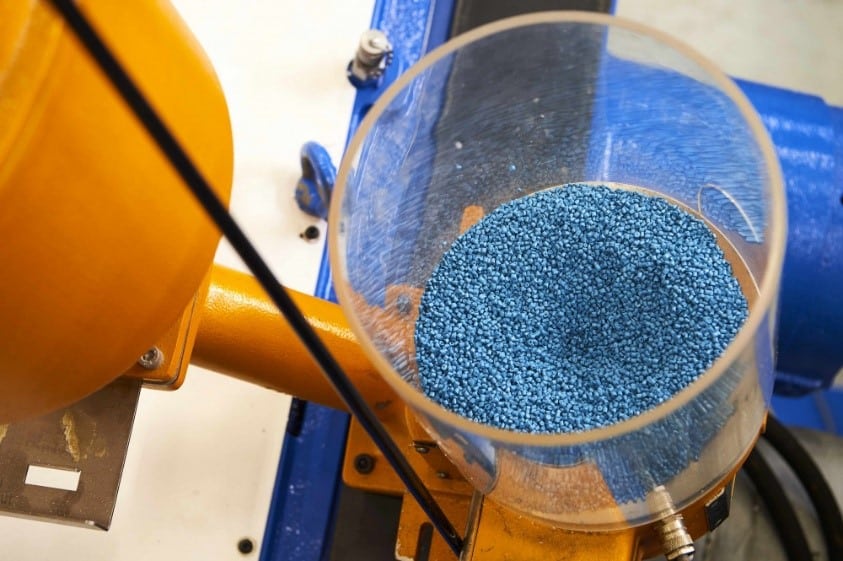
New 2022 Replace 35% of the plastic content of an light brackets component with recycled plastic. Audi / HBPO partnership
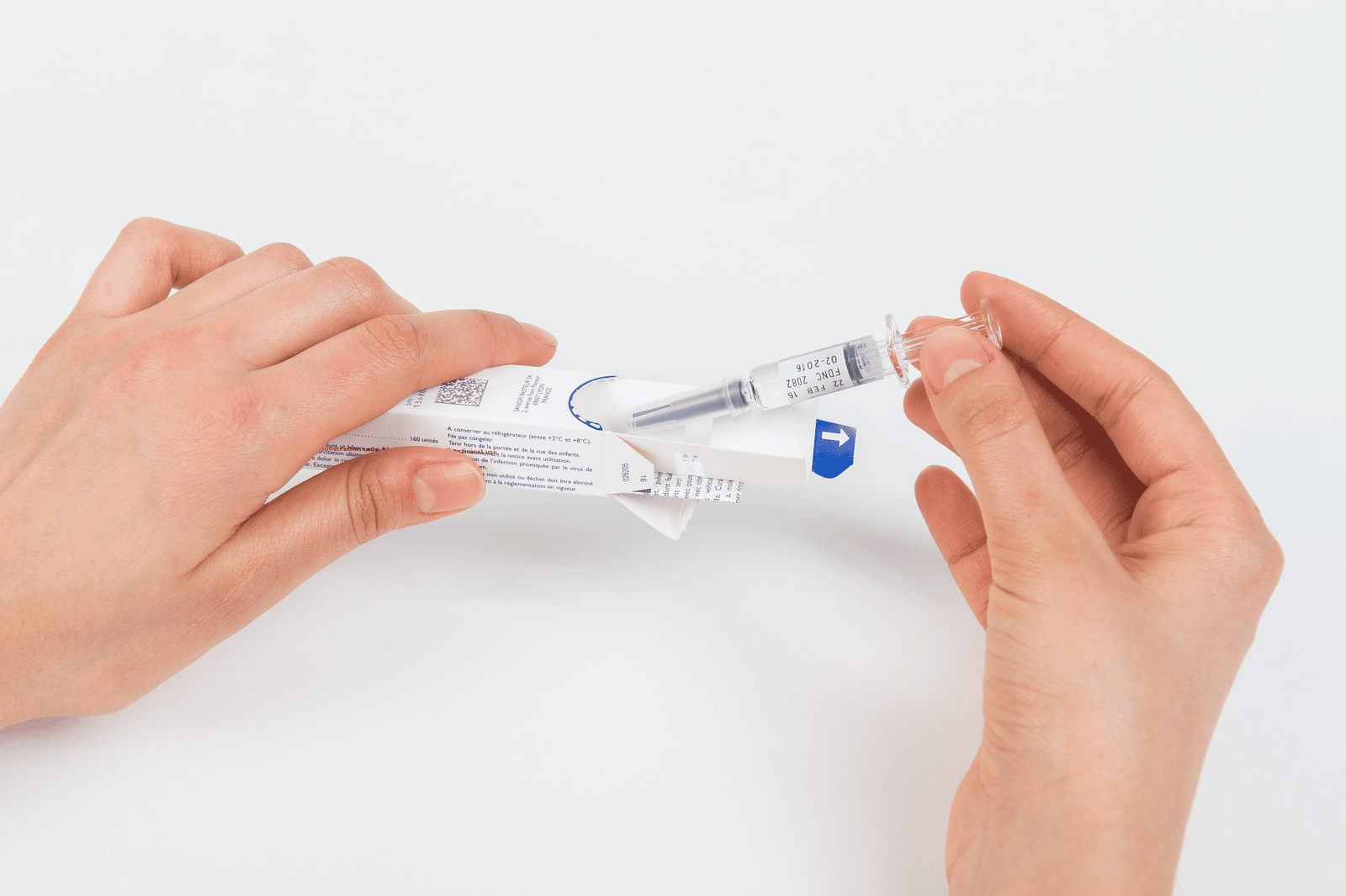
New 2022 Packaging: Implement an eco-design approach for packaging – 100% of packaging for our new products will be designed taking into account environmental criteria by 2025 and vaccine packaging will be blister-free by 2027
2 Mt of low-grade* incidental ores and tailings quantities of additional materials recovered through the circular economy action plan over the 2019-2023 period
Reduce the quantity of waste from the sites by promoting the reuse and recycling while aiming for the “sites without disposal” objective in 2025 – particular focus on the plastics.
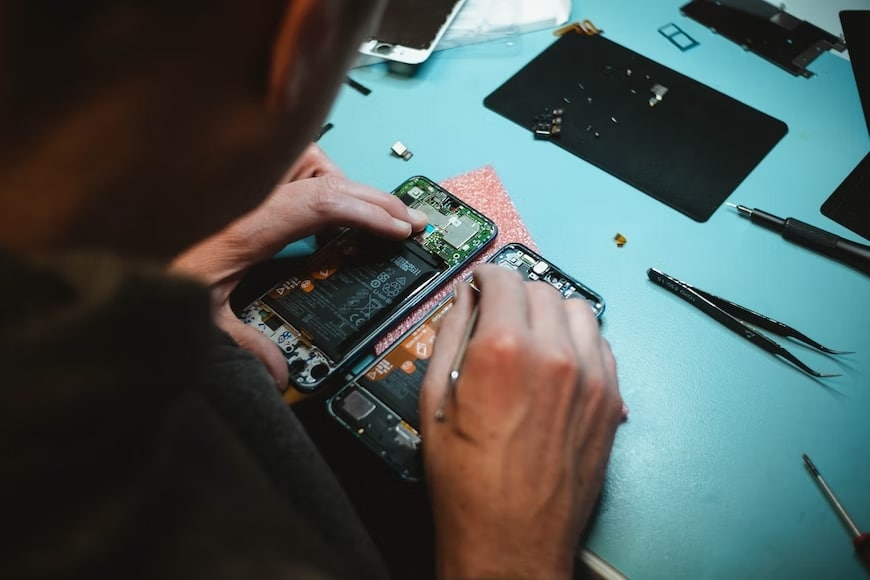
New 2022 Recruit and train 1,000 after-sales service technicians to support the Group’s sustainability strategy
2013-2020 ambition to launch products in 2020 : offering more performance with less material and avoiding more than 8 million tons of CO2 emissions compared to the supply available in 2010
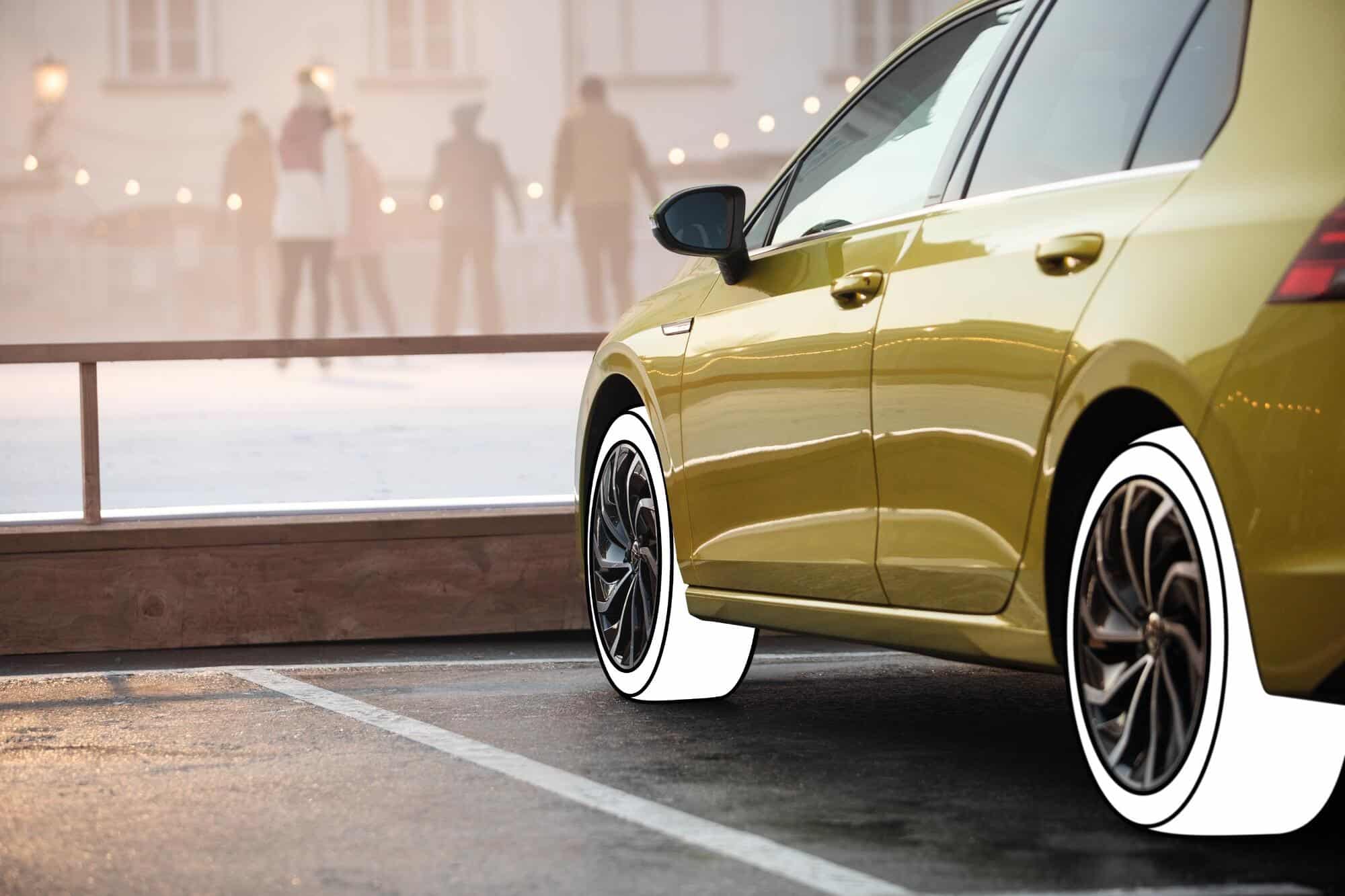
New 2022 Increase the content of recycled material in automotive plastic body parts. EPICEA project : Improve the ratio of recycled plastic for the car bodies
New 2022 Waste management – Reuse, Recycle, Recover: transform waste into resources – More than 90% of waste will be either reused, recycled or recovered and 100% of our sites will no longer use landfill
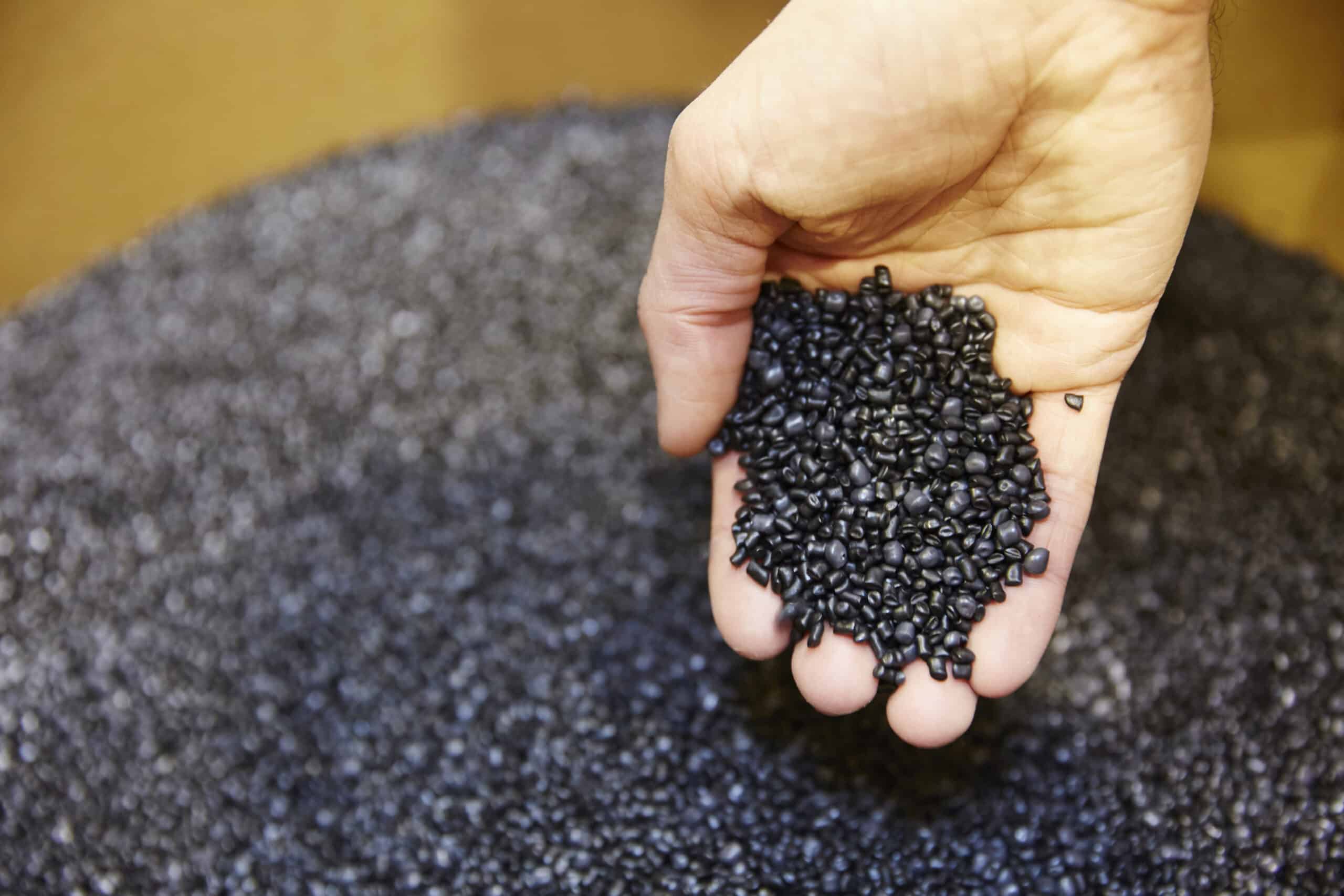
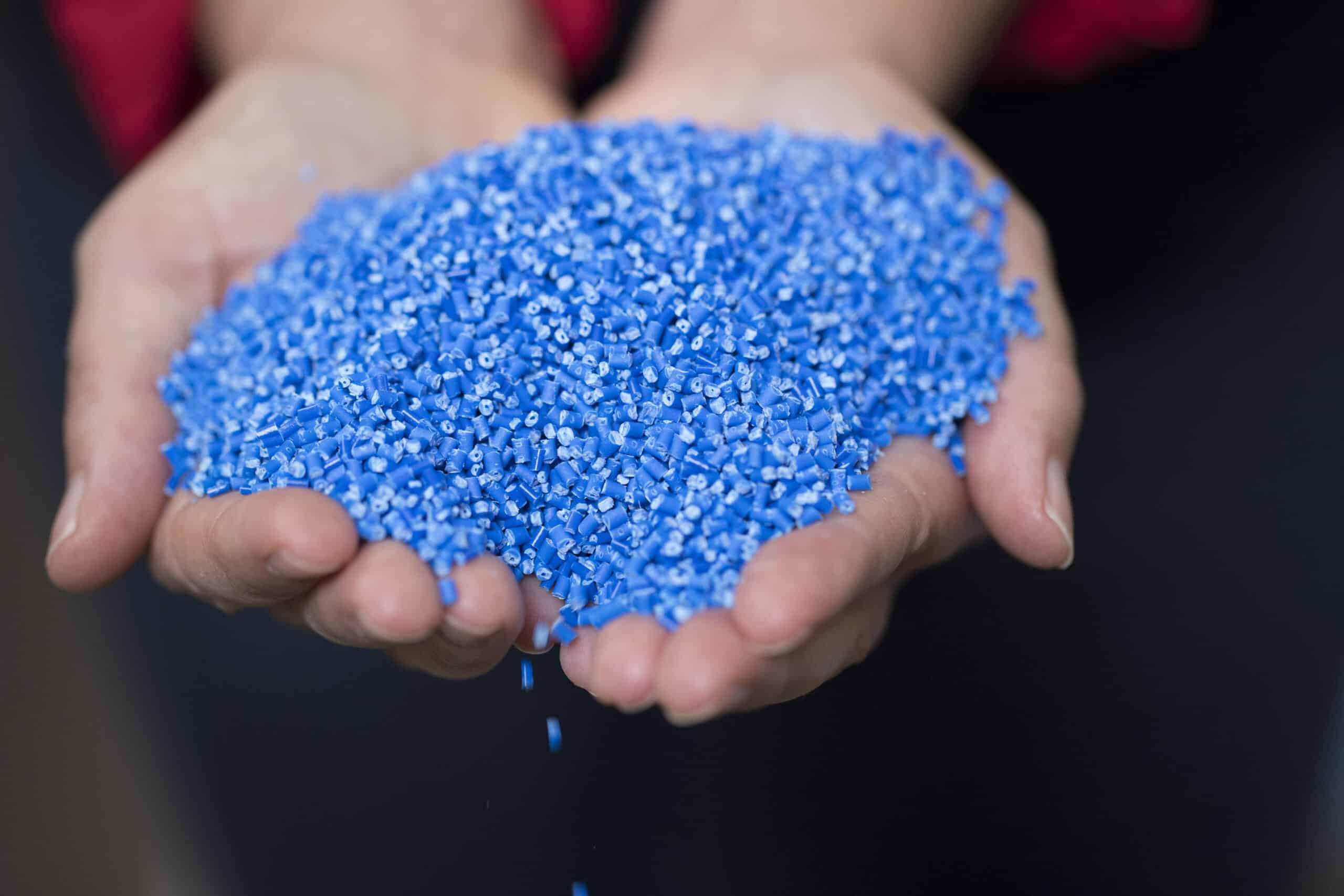
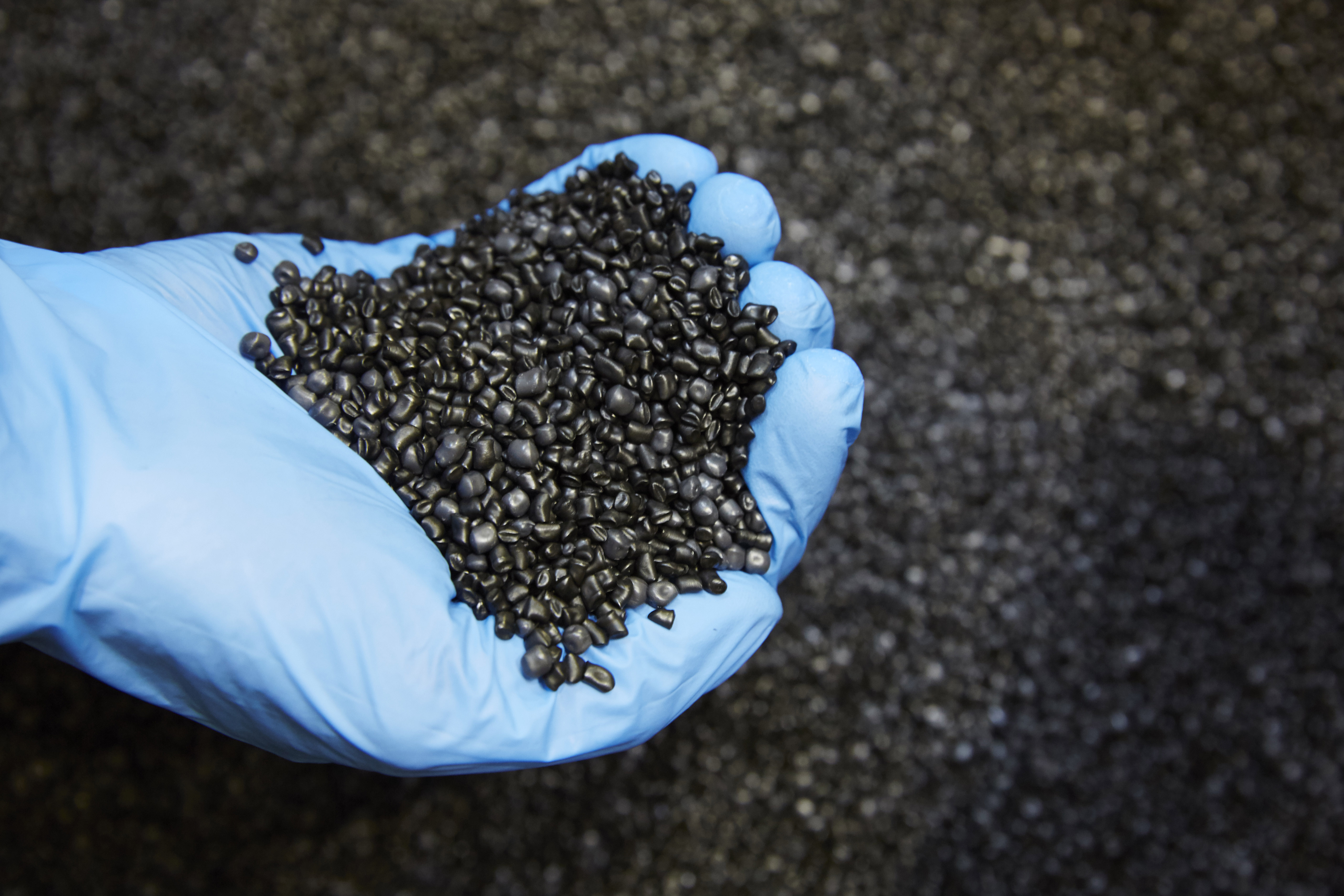
New 2022 Achieve a 15% recycled plastics use rate and 40% recycled metals use rate in the products manufactured by the Group
New 2022 100% reusable, recyclable or compostable packaging by 2025 in the United-Kingdom and in Ireland
New 2022 Reduce and recover the amount of hazardous and non-hazardous waste evacuated by the Group’s industrial sites worldwide
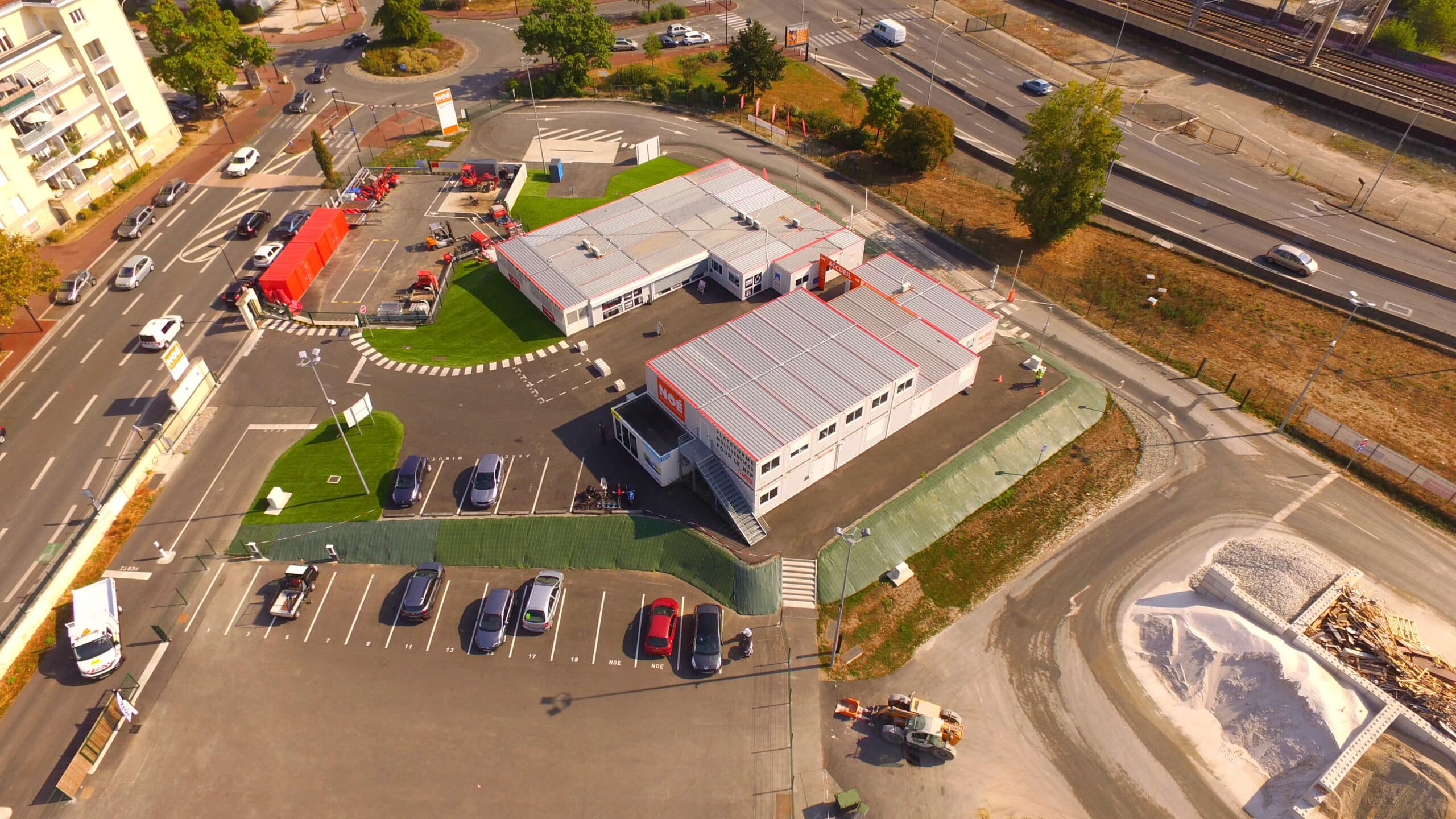
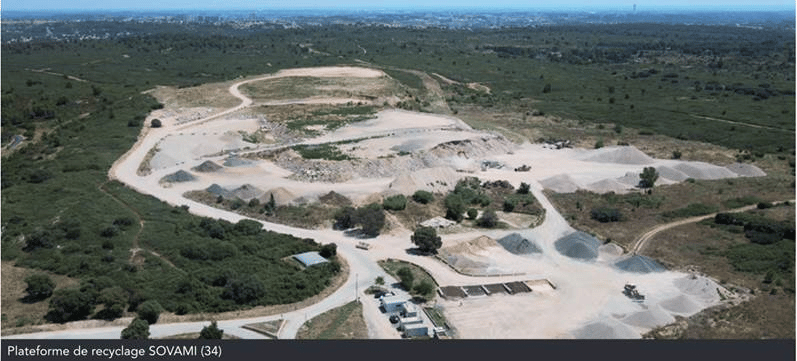
Operation of a shared, compact, and multiservice platform which includes inert waste sorting servicing various work sites and opened to other construction professionals
New 2022 Zero single-use plastic for client packaging (B2C) by 2025 and for logistics packaging (BtoB) by 2030
New 2022 The Group’s ambitious objective is to manufacture its tires entirely from sustainable materials by 2050, backed by a commitment to incorporating an average of 40% sustainable materials by 2030.This commitment is measured by the Average Sustainable Materials Rate (ASMR) indicator
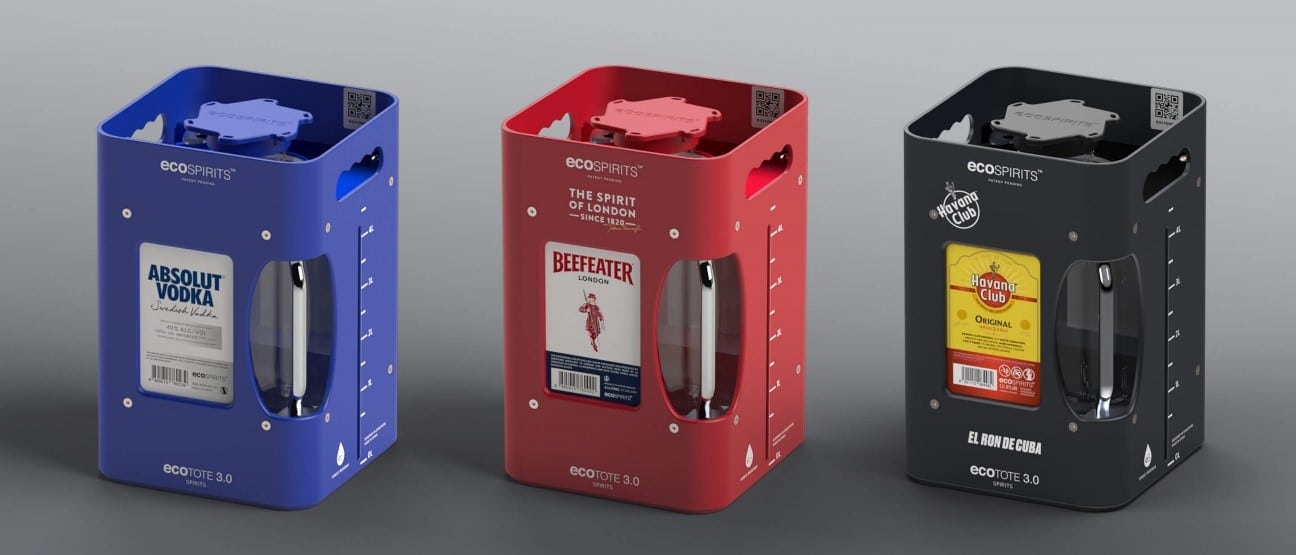
New 2022 By 2030: the Group will pilot five R&D projects on circular distribution of Wine and Spirits
New 2022 Zero single-use plastic for client packaging (B2C) by 2025 and for logistics packaging (BtoB) by 2030
New 2022 Eco-design: Implement an eco-design approach taking into account all stages of the product life cycle – all new products on the market will be eco-designed by 2025, an approach that will be extended to our top selling products already on the market by 2030.
New 2022 Recover more than 70% of the waste from the sites operated by TotalEnergies’ subsidiaries by 2030
New 2022 Bann single-use plastics from the workplace by 2025, and sooner if possible in some regions.
New 2022 100% deforestation and conversion free supply chain globally by 2030 for palm oil, soy, beef and paper products
New 2022 Packaging: Implement an eco-design approach for packaging – 100% of packaging for our new products will be designed taking into account environmental criteria by 2025 and vaccine packaging will be blister-free by 2027
New 2022 Combat pollution and accelerate the ecological transition by increasing the turnover linked to the circular economy. Target 2023: €6.3 billion
New 2022 Waste management – Reuse, Recycle, Recover: transform waste into resources – More than 90% of waste will be either reused, recycled or recovered and 100% of our sites will no longer use landfill
New 2022 By 2025: 100% of packaging and 100% of point of sale material spend will be reusable, recyclable or compostable
New 2022 100% of our primary and secondary packaging is free from single use plastic and uses recycled cardboard
New 2022 Contribute to the circular economy by recovering more plastic waste. Target 2023: 610 kt of recycled plastics
New 2022 100% reusable, recyclable or compostable packaging by 2025 in the United-Kingdom and in Ireland
New 2022 Replace 35% of the plastic content of an light brackets component with recycled plastic. Audi / HBPO partnership
New 2022 Achieve a 15% recycled plastics use rate and 40% recycled metals use rate in the products manufactured by the Group
New 2022 95% of procurement spends from direct suppliers to have undergone a CSR assessment within the previous three years
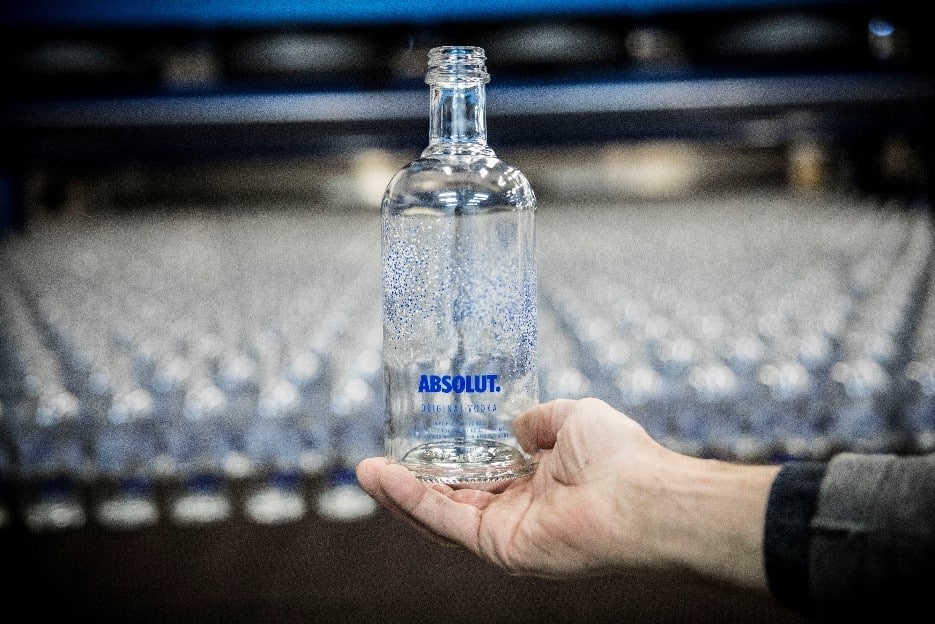
New 2022 By 2025: post-consumer recycled content for glass will reach 50% and 25% for PET and 100% of cardboard will be certified to standards ensuring sustainable forest management
New 2022 Eco-designing the body panels of the future to reduce the carbon footprint by 50% in 2030 compared to 2020
New 2022 Recruit and train 1,000 after-sales service technicians to support the Group’s sustainability strategy
New 2022 Increase the content of recycled material in automotive plastic body parts. EPICEA project : Improve the ratio of recycled plastic for the car bodies
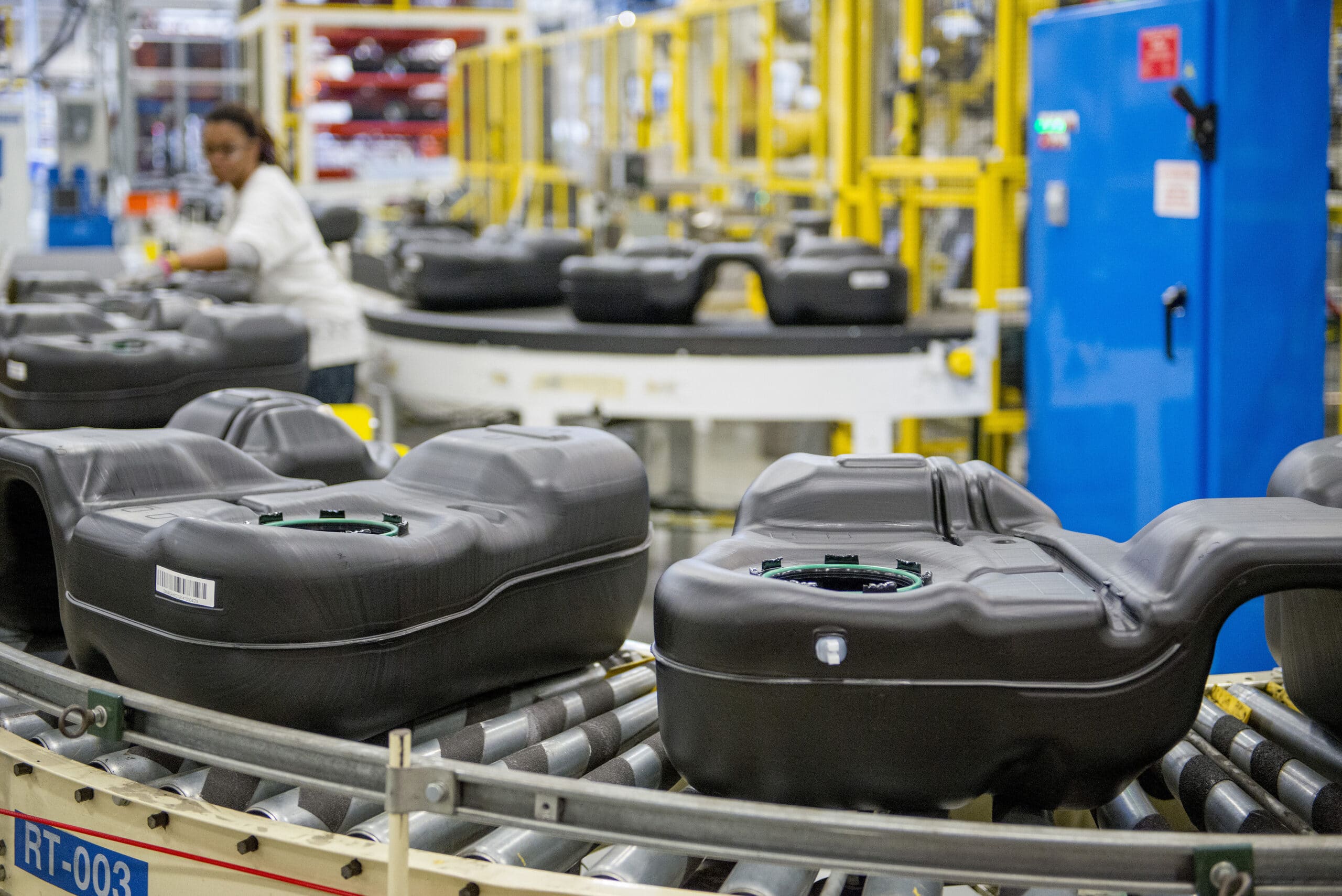
New 2022 Assess the opportunities and feasibility of using sustainable materials (recycled and bio-sourced) in the automotive sector. TotalEnergies / Plastic Omnium partnership
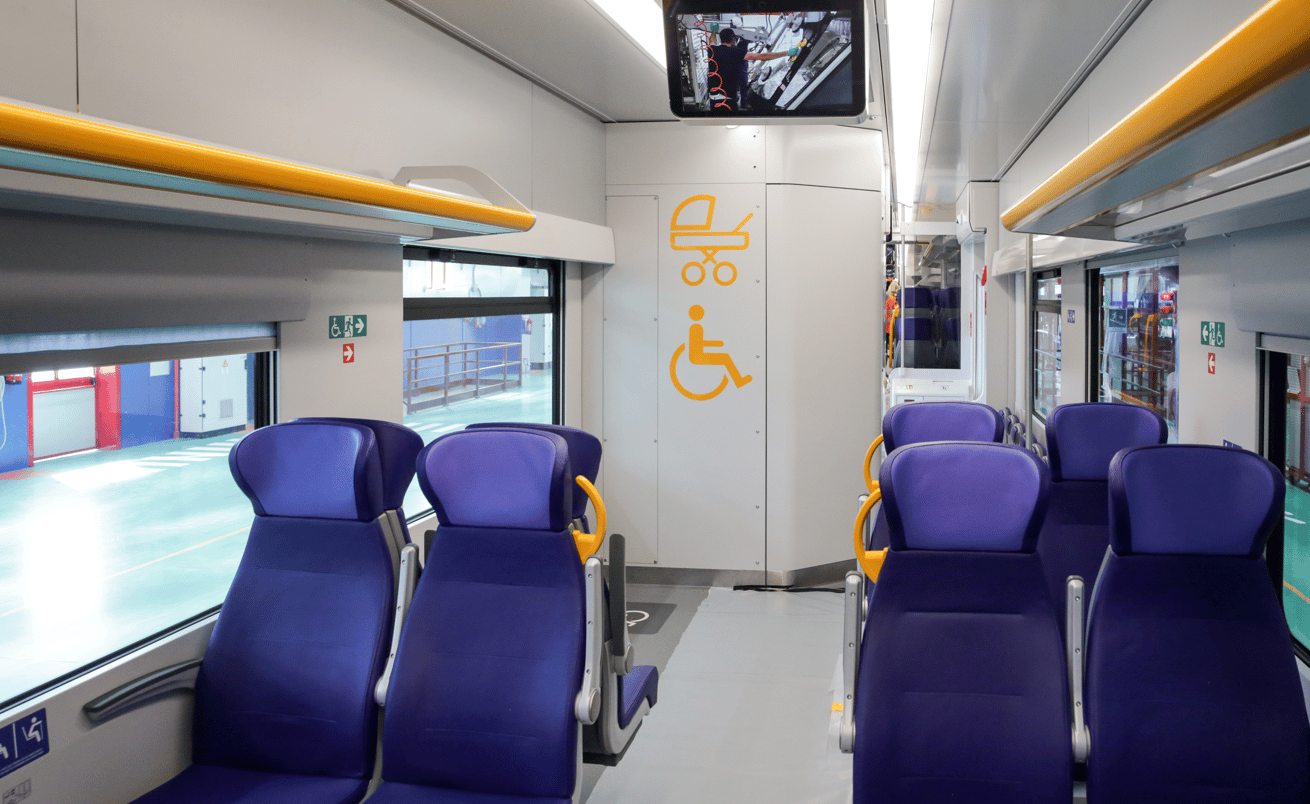
New 2022 420 000 metric tons of avoided primary resources consumptions through take back at end of use by 2025 since 2017